How Much Gold Can I Carry to India Without Duty

How Do Tariffs Work | A Complete Guide to Taxes on Imported Goods (2025)

Tariffs are taxes imposed on imported or exported goods, applied by customs agencies to regulate trade, protect domestic industries, and generate government revenue. When goods enter a country, customs assigns an HS code, calculates value using the CIF method, and applies a tariff rate based on national tariff schedules and trade agreements. Tariffs influence global supply chains, import costs, and consumer prices. This 2025 guide explains tariff types, calculations, policy effects, and how customs duties function in modern trade systems.

TOC

Table of Contents

Tariffs and Goods Brought Into a Country

What qualifies as goods brought into a country

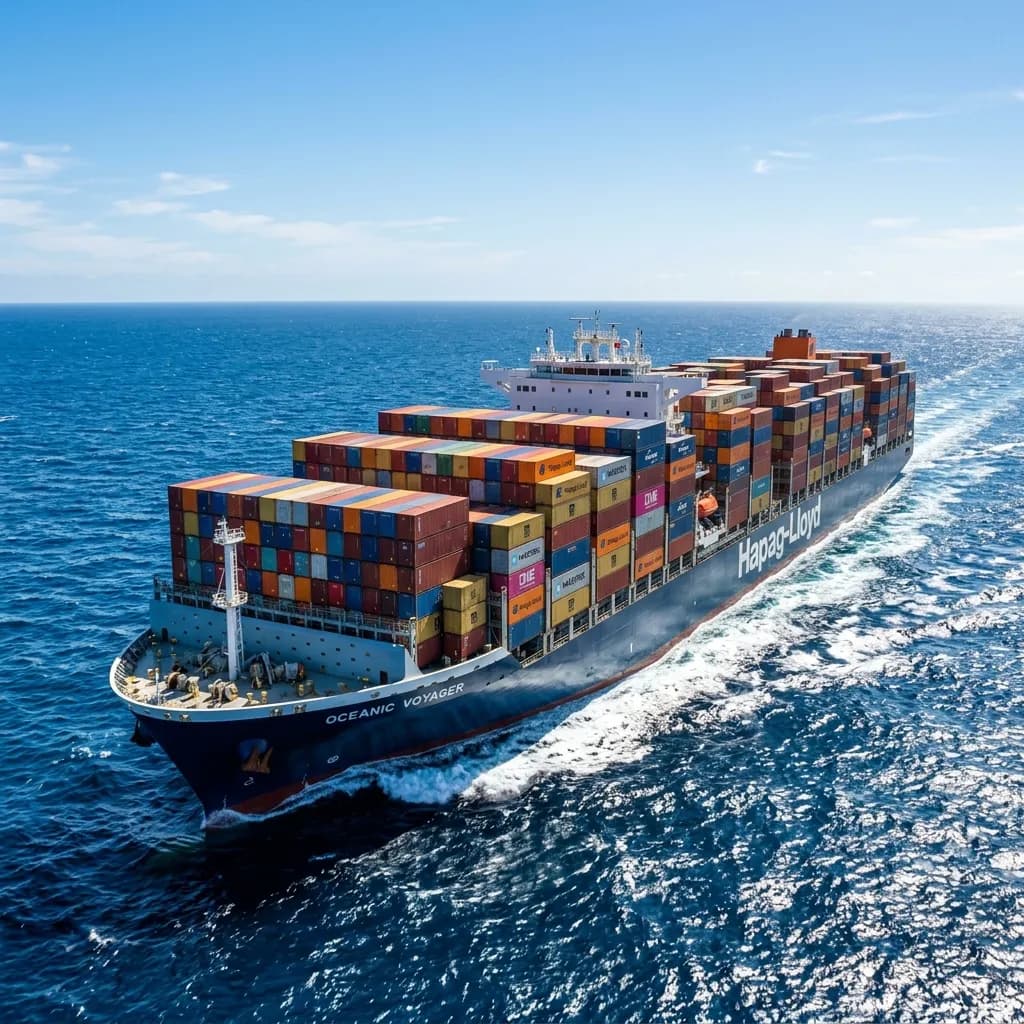
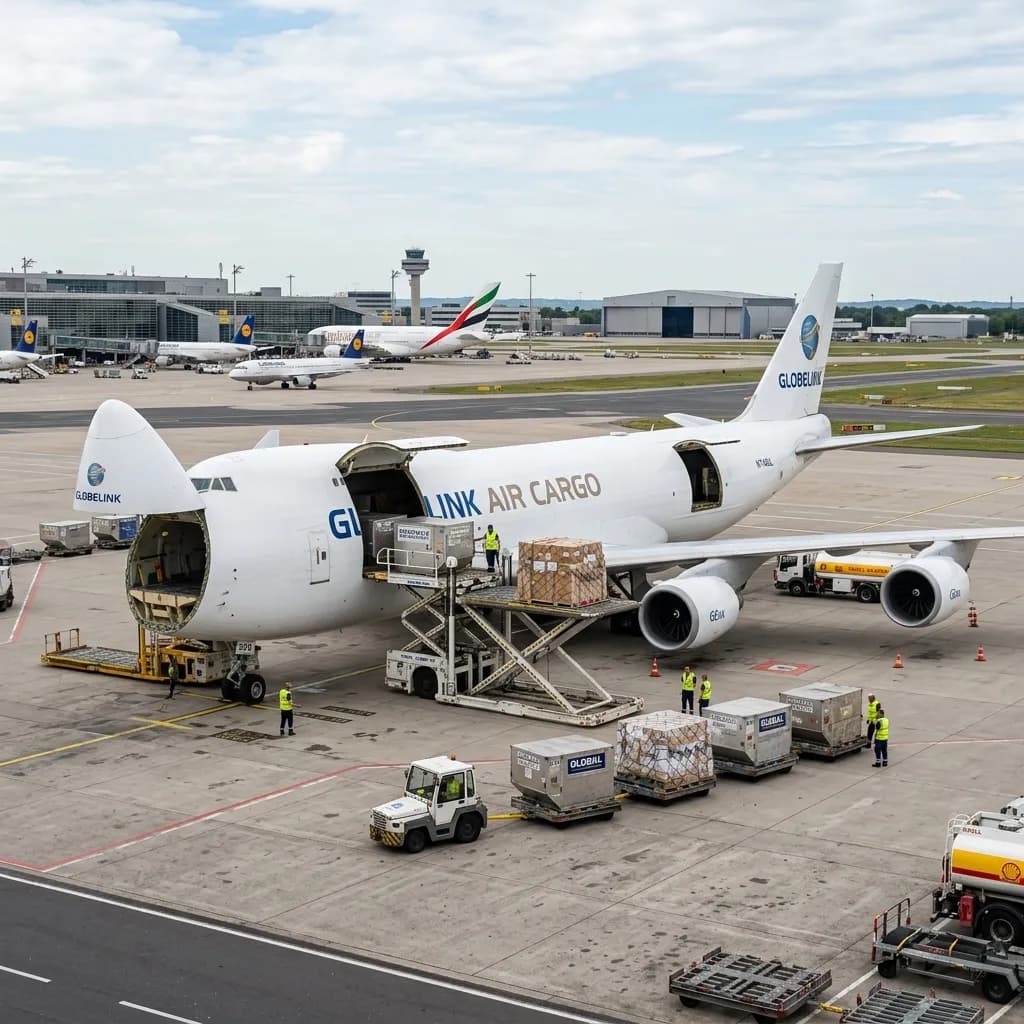
Goods brought into a country are any items entering a national border that must be declared to customs authorities. Whether shipped by sea, air, courier, or transported personally, goods must be classified with an HS code and assessed for applicable import duty or customs duty. As commonly explained by Investopedia, Britannica, and the International Trade Administration, goods entering a border are subject to tariff evaluation, origin verification, and potential restrictions such as quotas or non-tariff barriers. The concept covers consumer products, industrial components, food items, electronics, and raw materials.

How tariffs apply to physical goods entering borders

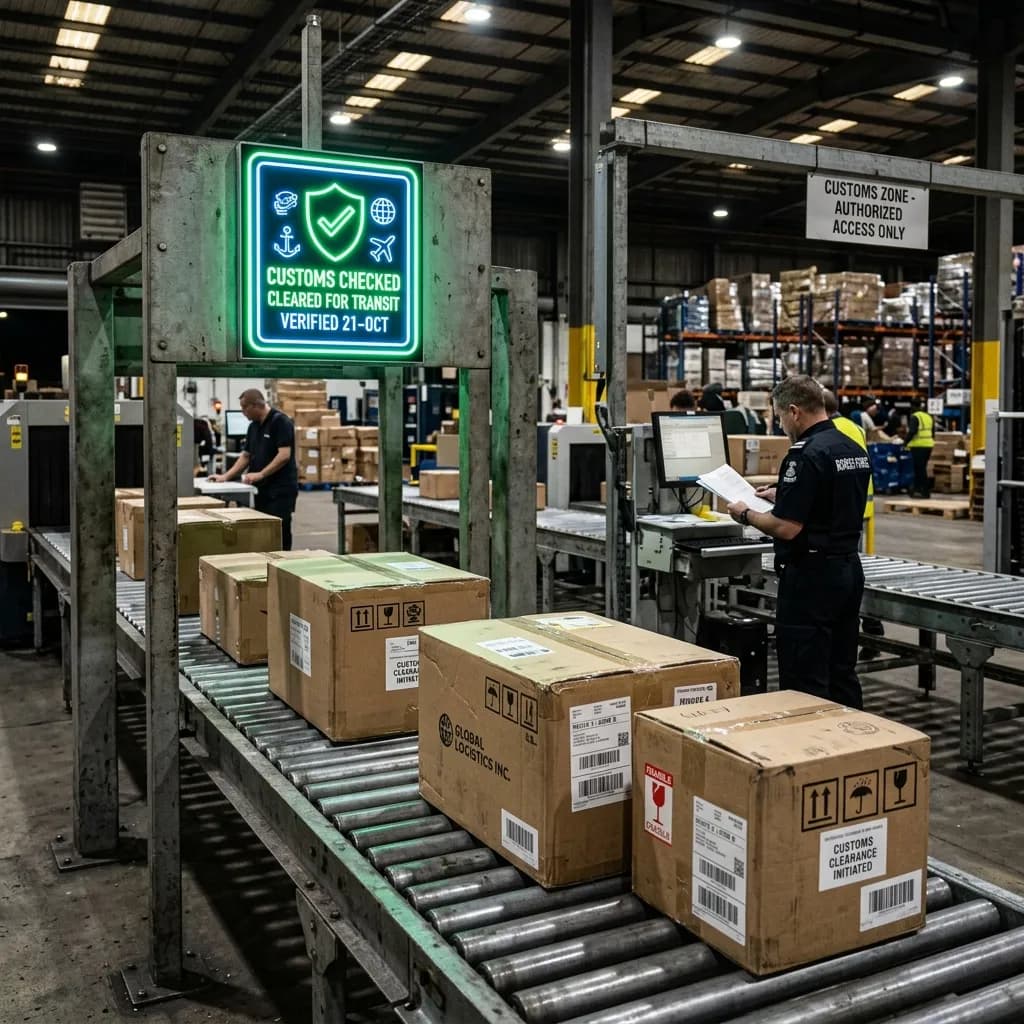
Tariffs apply as soon as goods arrive at a port of entry. Customs evaluates the shipment based on HS classification, declared value, and origin. Goods may face ad valorem tariffs, specific tariffs, compound duties, or tariff-rate quotas (TRQ). When shipments exceed quota limits, they may enter a higher duty tier. Tariffs function as a tax on imported goods and act as a trade barrier designed to regulate market access and maintain competitive balance between domestic producers and foreign exporters.

Factors determining duty: HS code, value, origin, agreements

Duty depends on classification accuracy, customs valuation, origin, and treaty status. HS code controls the applicable tariff line. Customs value is calculated using the CIF formula: cost, insurance, and freight. Origin determines preferential eligibility under free trade agreements. For some goods, non-tariff trade barriers such as licensing, inspection rules, or export controls also influence clearance.

Examples: electronics, clothing, food, industrial goods

Electronics often carry percentage-based tariffs (ad valorem). Clothing may face compound tariffs due to weight and value considerations. Foods may enter under TRQ systems combining quotas and tariffs. Industrial goods such as machinery parts may be subject to anti-dumping duties if prices are below fair market value, as documented by the International Trade Administration.


Understanding Tariff Tariff Systems Used by Modern Customs Agencies

What tariff tariff means in trade terminology

A tariff tariff is a national tariff schedule containing all tariff lines applicable to imported goods. It is the formal legal document used by customs agencies to determine duty rates. The term appears in many trade policy resources, including Intelligent Economist and USAFacts, which describe it as a government-structured list of taxes on imported goods.

How tariff schedules are created

Tariff schedules follow the WTO Harmonized System for product classification. Each government creates national tariff lines beyond the six-digit HS number, allowing detailed control of imports. Agencies set these rates based on trade policy, protectionism, and economic strategies such as supporting employment or countering dumping.

Ad valorem, specific, and compound tariffs

Ad valorem tariffs apply a percentage rate to the customs value. Specific tariffs apply a fixed per-unit import duty, such as per kilogram or per item. Compound tariffs combine both forms. These structures allow governments to stabilize revenue, limit undervaluation risks, and protect sensitive industries.

Why tariff systems differ across countries

Tariff variation results from industrial priorities, political decisions, trade agreements, and retaliatory tariff measures. Countries with strong manufacturing sectors often use higher tariffs to encourage import-substitution industrialization. Nations dependent on trade may adopt lower tariffs to promote market access.


How Import Trade Relies on Tariffs and Market Access Rules

Role of tariffs in shaping global import trade

Tariffs influence which countries businesses source from, how much they import, and at what cost. High tariffs act as trade barriers, reducing competition for domestic industries. Low tariffs encourage trade liberalization. Tariff changes directly affect global supply chain competitiveness.

Why countries use tariffs to manage competition

Tariffs protect domestic industries from low-cost foreign producers. Protectionism is commonly used in sectors such as textiles, steel, and agriculture. Anti-dumping duties prevent foreign firms from selling goods below cost, while countervailing duties offset foreign subsidies.

How tariff changes shift import flows

When tariff rates rise, import volumes often decline and costs shift to consumers. When tariffs fall, nations gain improved terms of trade, and imports expand. Tariff reductions under trade agreements reduce landed cost for businesses, enhancing economic efficiency.

How free trade agreements reduce tariffs

Trade agreements provide preferential tariff rates, often eliminating most tariffs entirely. They also reduce non-tariff barriers and simplify origin rules. Agreements increase market access and encourage integration into global supply chains.


Tariffs Applied When You Bring Goods Into the Country for Sale

Definition of importing goods for commercial sale

Bringing goods into a country for sale means importing for commercial purposes. Such goods are subject to full customs duty, tariff evaluation, and regulatory compliance. Commercial imports differ from personal shipments because they require more documentation and inspection.

Commercial versus personal imports

Personal goods may qualify for duty-free allowances. Commercial imports face strict tariff rules, valuation checks, and potential enforcement for misclassification or under-invoicing. Importers must comply with tariff schedules, VAT/GST, excise taxes, and non-tariff requirements.

How businesses calculate landed cost

Businesses calculate landed cost using the formula:
CIF value + tariff rate + VAT/GST + excise + customs fees.
This calculation determines pricing, competitiveness, and sourcing decisions. By analyzing tariff schedules, companies can reduce cost exposure or plan alternative supply chain routes.

Documentation required by customs

Key documentation includes the commercial invoice, packing list, certificate of origin, and HS classification declaration. Additional documents apply for TRQ goods, quota-restricted items, or restricted commodities subject to export controls or voluntary export restraints.


Tariffs as a Tax on Imports and Exports

Why tariffs are considered taxes

Tariffs are legally categorized as a tax on imported goods or, in fewer cases, exported goods. Export duties exist in sectors such as minerals or agricultural products to preserve domestic supply. These duties shape trade flows and influence domestic pricing.

Import tariffs versus export tariffs

Import tariffs are more common and generate significant government revenue. Export tariffs serve strategic purposes, such as preventing shortages or controlling international market influence. Both forms affect a country’s effective rate of protection and trade balance.

Revenue-raising versus protective tariffs

Revenue-raising tariffs aim to increase government income, often used by developing nations. Protective tariffs defend domestic industries from foreign competition. Protectionism, sometimes supported by subsidies or quotas, influences industrial development and employment.

Economic impact on supply chains and consumers

Tariffs increase supply chain costs, often passed to consumers as higher prices. Tariff policy interacts with non-tariff barriers, export controls, and trade wars, sometimes causing major global supply chain disruptions.


Taxes on Imported Goods Are Known As Customs Duties and Tariffs

Difference between customs duty, VAT/GST, excise

Customs duty refers to tariffs applied to imported goods. VAT/GST is a consumption tax applied to the value plus duty. Excise taxes apply to specific products such as alcohol or fuel. Import taxes encompass all charges applied during customs clearance.

When taxes on imported goods are called tariffs

In trade policy terminology, tariffs represent the primary tax on imported goods. They form the foundation of national tariff schedules and determine duty liability across most product categories.

How customs calculates import taxes

Taxes include duty, VAT/GST, inspection fees, and sometimes excise. Customs begins with the CIF value, then applies tariff rates, followed by domestic taxes. The result influences landed cost and competitiveness.

Duty rate ranges across product categories

Electronics often range from 0 to 12 percent. Clothing and textiles may face rates from 10 to 40 percent. Foods under TRQ systems may see both low-tier and high-tier duty levels depending on quota availability. Automobiles can exceed 50 percent in some markets.


How Tariffs Are Calculated Step-by-Step

Step 1: Identify HS code

Accurate classification is essential. Incorrect codes can lead to penalties, anti-dumping assessments, or denied preferential access.

Step 2: Determine customs value (CIF)

CIF includes product value, freight, and insurance. Customs uses this standardized valuation to prevent manipulation or underpricing.

Step 3: Apply tariff rate

The tariff schedule provides ad valorem, specific, or compound rates. Preferential rates may apply under free trade agreements.

Step 4: Add import taxes

After duty, VAT/GST and excise taxes are added to the customs value plus duty. Fees for inspection, processing, or storage may also apply.

Step 5: Total landed cost

Landed cost equals CIF plus all duties, taxes, and fees. Businesses rely on this figure to set retail pricing and evaluate supplier competitiveness.


Types of Tariffs and How Each One Works

Ad valorem tariffs

Percentage-based tariffs apply a portion of the customs value. They allow consistent enforcement but may fluctuate with market prices.

Specific tariffs

Specific tariffs apply a fixed amount per unit, weight, or quantity. They stabilize revenue and reduce undervaluation risks.

Anti-dumping duties

Anti-dumping duties are applied when exporters sell below fair market value. They counter dumping practices and protect domestic firms.

Retaliatory and trade war tariffs

Governments impose retaliatory tariffs to respond to unfair trade practices or political disputes. These measures can escalate into trade wars and affect global supply chains.


Why Countries Use Tariffs — Trade Policy & Economic Strategy

Protecting domestic industries

Protectionism shields domestic producers from foreign competition. Tariffs help maintain national employment and industrial capacity.

Generating government revenue

Tariffs contribute substantial revenue in many developing countries. The tariff system is a key fiscal instrument alongside VAT and excise.

Response to unfair trade practices

Governments use tariffs to counter subsidies, export restraints, or dumping. Countervailing measures and voluntary export restraints maintain competitive fairness.

Encouraging local production

Tariffs encourage domestic production and reduce reliance on imports. This approach aligns with import-substitution industrialization strategies.


How Tariffs Affect Consumers and Businesses

Impact on retail prices

Tariffs raise retail prices due to cost pass-through. Consumers face higher prices for imported electronics, textiles, and automobiles.

Effects on supply chains

Tariffs influence routing, sourcing, inventory planning, and supplier selection. Companies may shift production to avoid high-tariff markets.

Influence on product availability

High tariffs can restrict product availability or shift importers toward lower-tariff substitutes. TRQ systems may limit supplies once quotas are filled.

Examples across major sectors

Electronics may become costlier due to ad valorem duties. Textiles face compound tariffs affecting fashion retail. Automobiles often encounter some of the highest tariff rates globally.


FAQs | How Tariffs Work

Who pays tariffs?

Importers pay tariffs, but the cost often passes to consumers through retail pricing.

Do tariffs apply to online overseas purchases?

Yes. Many countries charge duty and VAT on international e-commerce above threshold limits.

Why do tariff rates vary by country?

Rates reflect trade policy, development goals, and political considerations.

Are tariffs and customs duties the same?

Tariffs are a type of customs duty specifically applied to international goods.

How do trade agreements change tariff rates?

Agreements reduce or eliminate tariff rates for member countries, improving market access.


Similar Posts

Leave a Reply

Your email address will not be published. Required fields are marked *