

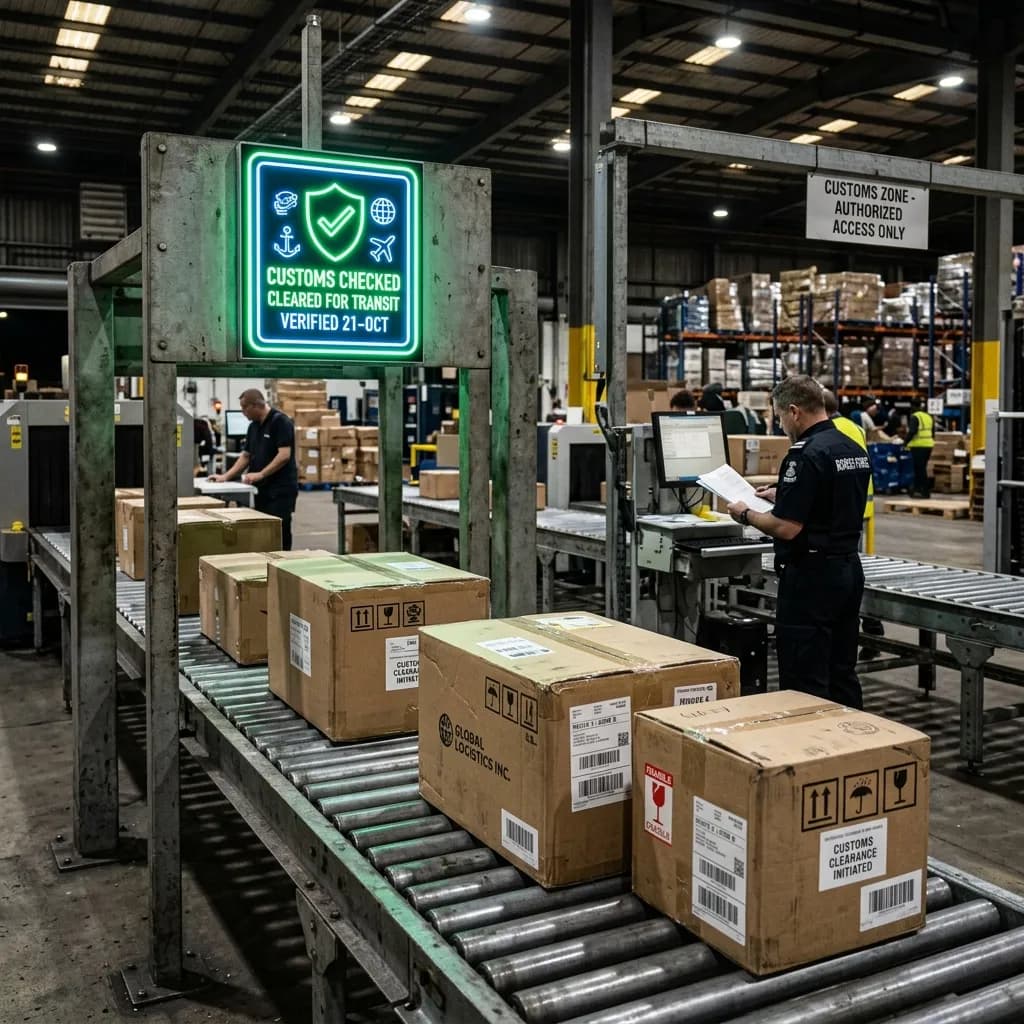
HS codes and HTS codes are not the same, though they share the same starting digits. An HS code (Harmonized System) is a 6-digit international commodity classification standard used worldwide, whereas an HTS code (Harmonized Tariff Schedule) is a country-specific 8-to-10 digit code used by individual nations to assign customs duties and import taxes.
1. Understanding HS and HTS Codes
Navigating international shipping requires declaring the correct commodity codes. The **Harmonized System (HS)** was created by the World Customs Organization (WCO) to standardize how products are classified globally. The first six digits of any commodity classification are identical across 180+ countries.
However, because governments set their own custom tariffs, they expand the 6-digit HS base code with country-specific suffixes. These expanded codes are called **Harmonized Tariff Schedule (HTS)** codes. In the US, imports must use the 10-digit **HTSUS** (Harmonized Tariff Schedule of the United States) code.
2. HS vs. HTS: Head-to-Head Comparison
| Attribute | HS Code | HTS Code (HTSUS) |
|---|---|---|
| Character Length | Exactly 6 digits | 8 to 10 digits |
| Global Standard | Identical in over 180 countries | Unique to the importing nation (e.g. US, UK, EU) |
| Tariff Rates Assigned | No. It only categorizes the commodity. | Yes. Determines customs duties, VAT/GST, and surcharges. |
| Customs Clearance | Used for preliminary shipping documentation | Required on formal entry customs filings (e.g. Form 7501) |
3. Anatomy of a 10-Digit HTSUS Code
To visualize the difference, let's look at the structure of a standard US import code:
If you are importing a product under code **`8517.13.0000`** (Smartphones):
- `8517.13` (First 6 Digits): The international **HS Code**. This heading is identical whether you are clearing customs in New York, London, Tokyo, or New Delhi.
- `0000` (Last 4 Digits): The **US National Suffix** (HTSUS). These digits are defined by the USITC to set the 0% import duty rate and track smartphone census figures.
4. Frequently Asked Questions
Can I use an HS code instead of an HTS code?
No. For final customs entry (especially in the US), you must provide the full 10-digit HTSUS code. The 6-digit HS code is too general to determine final tariff rates.
How many digits is an HS code?
An international HS code contains exactly 6 digits, which are standardized and identical across all World Customs Organization (WCO) member countries.
What is an HTSUS code?
HTSUS stands for the Harmonized Tariff Schedule of the United States. It is the specific 10-digit HTS code system used by US CBP to calculate customs duties.
How do I look up my HTS code?
You can search your product using our integrated HS Code Finder above to find the core WCO headings, and expand them to find the US, UK, or Indian tariff suffixes.
Why Brokers Trust Our HS Code Classification
We navigate the WCO Harmonized System structure to ensure correct tariff mappings and avoid border delays:
- International 6-Digit Base: Aligns with global Harmonized System subheadings used in 180+ countries.
- National Level Extensions: Maps 8-digit HSN codes for India and 10-digit HTSUS codes for the United States.
- Classification Rules: Applies WCO General Rules of Interpretation (GRI) for complex commodities.
How to Search HS Codes
- Identify Raw Material: Determine the primary material composition and function of your commodity.
- Check Chapter Headings: Locate the 2-digit chapter, then expand to the 4-digit heading and 6-digit subheading.
- Match National Suffix: Find your importing country's specific 8-to-10 digit statistical tariff rate.
Frequently Asked HS Code Questions
What is the difference between an HS code and an HTS code?
The HS (Harmonized System) code is the standard 6-digit international classification base. The HTS (Harmonized Tariff Schedule) code is a country-specific extension (typically 8 to 10 digits) used to set local tariff rates.
How do I find my product's HSN code in India?
Use our dedicated HSN search tool to map product names to the Indian CBIC Customs tariff schedule, which uses 8-digit numbers for Basic Customs Duty and IGST slabs.
What are the risks of using an incorrect HS code?
Misclassification can trigger custom audits, seizure of cargo, border clearance holds, retroactive duty bills, and financial penalties.