

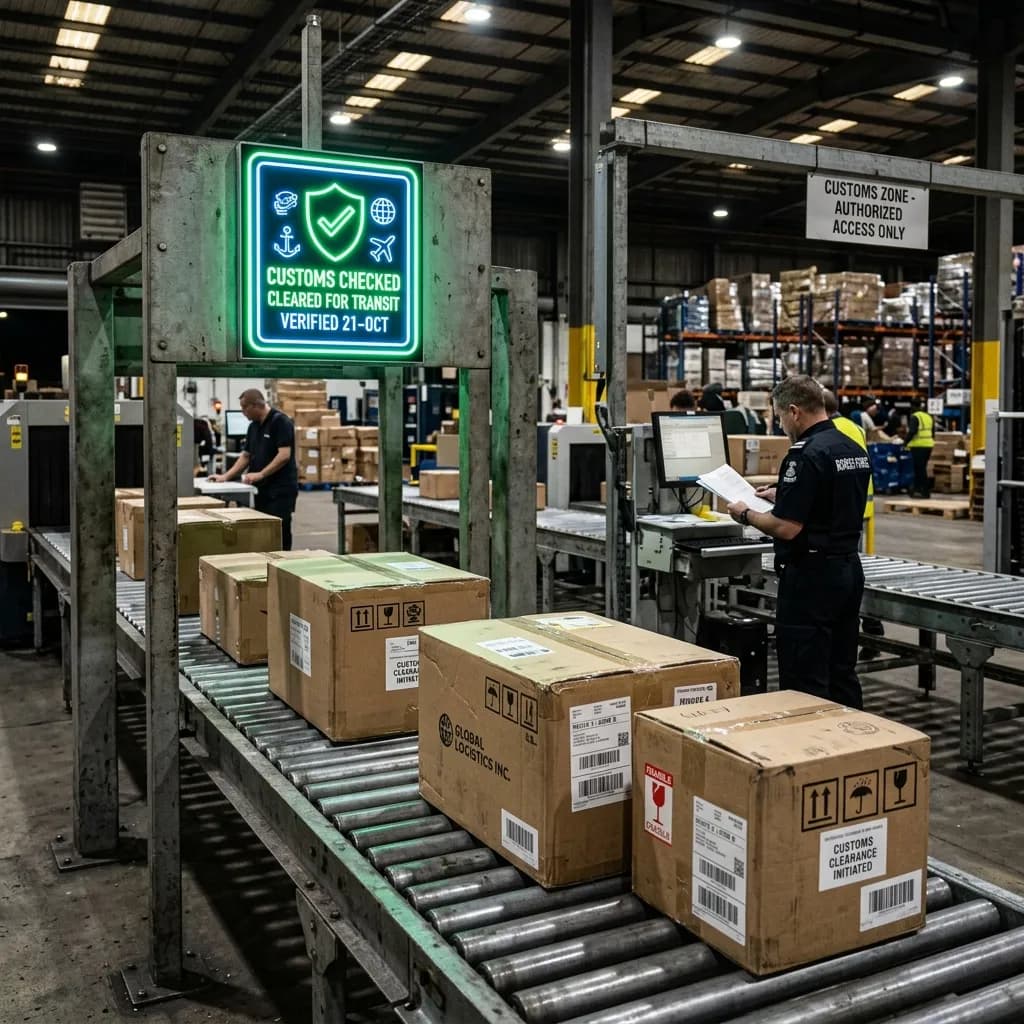
UK import tax and customs duties are border taxes assessed by HM Revenue and Customs (HMRC) on goods entering the United Kingdom from abroad. For 2026, these charges consist of a Basic Customs Duty (based on the commodity's classification) and an import VAT of 20% applied to the combined CIF value of the shipment.
1. Overview of UK Import Taxes & VAT
When importing goods commercially or as an individual into the UK, you must account for HMRC customs requirements. Unlike the US system, which evaluates duties based on the FOB value, UK customs calculates charges on a CIF (Cost, Insurance, and Freight) basis. This means the taxable valuation includes the price paid to the seller, the cost of international shipping, and the cargo insurance fees.
In addition to basic duty rates, UK imports are subject to a standard 20% VAT. The VAT is not computed solely on the cost of the goods; rather, it is applied to the combined total of the goods value, shipping, insurance, plus the customs duty already assessed. This compounding effect means taxes can escalate quickly for high-tariff commodities.
2. UK Import VAT Thresholds and Rules
HMRC enforces strict thresholds for duties and taxes to balance trade security with clearance speed:
- Below £135: Shipments are free from customs duty. However, for B2C transactions, 20% VAT is collected at the point of sale.
- Over £135: Shipments attract both customs duties (ad-valorem percentage based on classification) and 20% import VAT collected at the border.
- Gifts under £39: Qualify for import VAT and customs duty exemptions if sent privately.
3. Worked Landed Cost Example
Here is a detailed worked calculation showing how HMRC duties and VAT stack together for a shipment of leather goods imported from the US into the UK:
Calculation Case Study (Leather Handbags)
- FOB Goods Price: £1,000
- International Air Freight: £200
- Transit Cargo Insurance: £50
- Total Customs Value Base (CIF): £1,250
- UK Customs Duty (Leather handbags tariff rate of 3.0%): £1,250 × 3% = £37.50
- Import VAT Base (CIF Value + Customs Duty): £1,250 + £37.50 = £1,287.50
- Import VAT (Standard 20% rate): £1,287.50 × 20% = £257.50
- Total UK Taxes Due at Border: £37.50 (Duty) + £257.50 (VAT) = £295.00
- Total Landed Cost: £1,545.00
4. Frequently Asked Questions
How much is import duty in the UK?
UK import duty depends on the item classification. Rates generally range from 0% for electronics to over 12% for apparel, calculated on the total CIF value (goods plus shipping and insurance).
Do I pay VAT on imports to the UK?
Yes. Import VAT is applied at a standard rate of 20% to the total import cost (including duties and shipping) for most commercial goods entering the UK.
What is the UK de-minimis threshold for import duty?
Import duty is waived for shipments valued under £135. However, import VAT is still due on all commercial items, regardless of their value.
Who is responsible for paying HMRC import taxes?
Under standard terms, the importer of record is responsible for paying all duties and VAT to HMRC. If shipping via courier, the carrier will usually pay first and bill you.
Why Global Logistics Managers Trust Our Country Profiles
We outline regional trade corridor rules, local VAT/GST regimes, and custom entry portals by country:
- National Customs Routes: Profiles ICEGATE (India), HMRC (UK), CBP (USA), and CBSA (Canada) portals.
- De-Minimis Limit Checks: Lists duty-free package value thresholds for retail consumer entries.
- Sales Tax Coordination: Displays import VAT, IGST, and ABF Goods & Services Taxes by region.
How to Review Country Trade Rules
- Open Country Profile: Select your destination country from our Global Country Directory.
- Verify De-Minimis Limit: Check if your package value falls below the local duty-free threshold.
- Check Regional Tax Slabs: Verify basic customs duties and if a local sales tax (VAT or GST) is assessed at entry.
Frequently Asked Country Directory Questions
What is a de-minimis customs threshold?
The de-minimis is the maximum cargo value below which imports enter free of customs duties. For example, the United States allows up to $800 daily, while Canada sets it at C$20.
How do VAT and GST apply to imported goods?
Import VAT/GST is a domestic consumption tax calculated on the customs duty-paid value of the goods, collected at the border during clearance.
Are trade agreement rates applied automatically?
No. Importers must declare eligibility and submit a certified Certificate of Origin proving the goods were manufactured in a treaty member country (like the USMCA).