Canada Border Services Agency (CBSA) Alcohol Allowance Rules
To qualify for the personal alcohol exemption when entering Canada, you must have been outside the country for at least 48 hours and meet the legal drinking age of the province you arrive in.
1. Quantity Limits Per Person
You are allowed to bring back duty-free exactly ONE of the following quantities of alcohol:
- Wine: Up to 1.5 liters (53 imperial ounces) — equivalent to two standard 750ml bottles.
- Spirits / Hard Liquor: Up to 1.14 liters (40 imperial ounces) — equivalent to one large standard bottle.
- Beer or Ale: Up to 8.5 liters (287 imperial ounces) — equivalent to 24 standard cans or bottles of 355ml.
2. Legal Drinking Age By Province
You must meet the minimum legal drinking age of the province you enter:
- 19 Years Old: Ontario, British Columbia, Saskatchewan, Manitoba, Nova Scotia, New Brunswick, Newfoundland, PEI, and the territories.
- 18 Years Old: Alberta, Quebec, and Manitoba.
3. Declaring Excess Alcohol
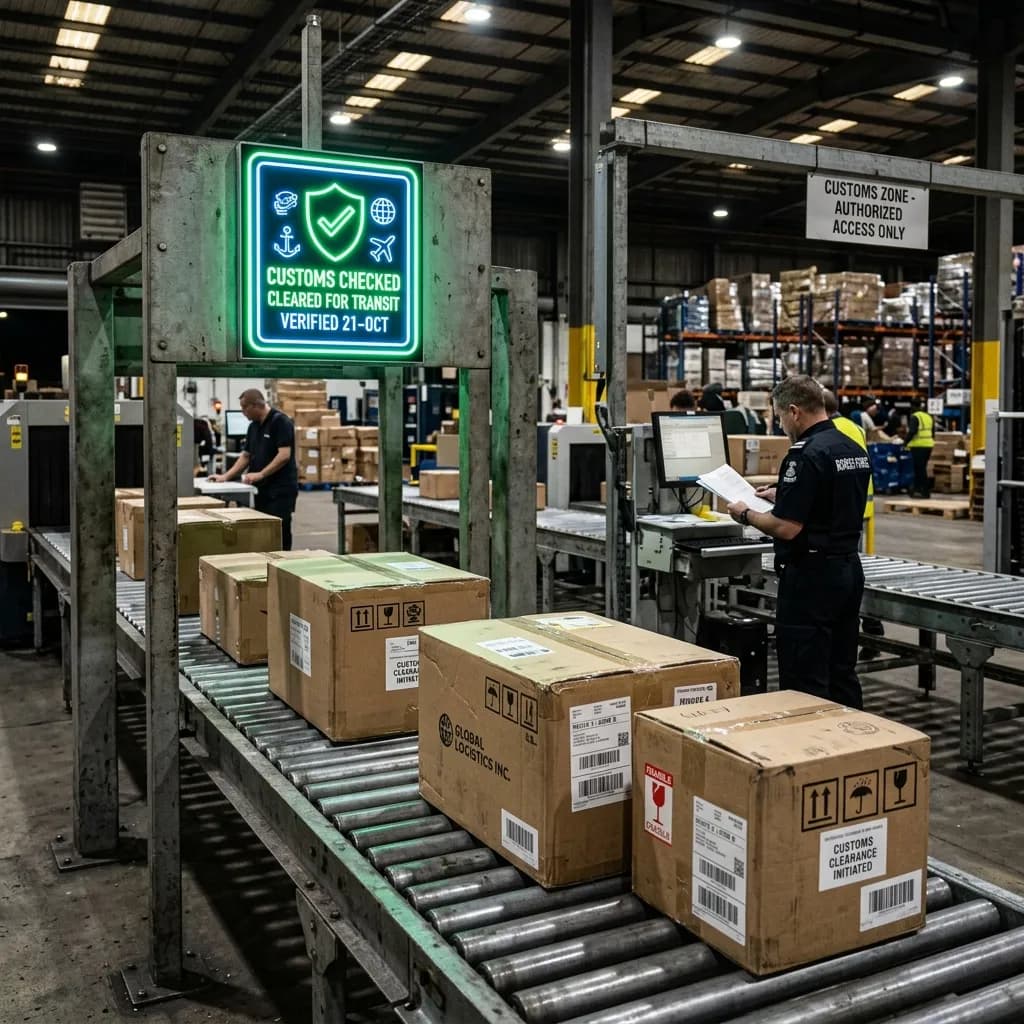
If you are bringing in alcohol that exceeds the personal allowance, or if you have been out of the country for less than 48 hours, you must declare it. Custom duty, federal excise tax, and provincial markup fees will apply.
Why Officers Trust Our Compliance Guidelines
Our compliance guidelines outline Importer of Record liabilities and Partner Government Agency (PGA) rules to avoid clearing delays:
- Regulatory Alignment: Based on entry procedures published by U.S. CBP, HMRC, and India's CBIC.
- Customs Bond Checklist: Explains single-entry vs. continuous bonds to ensure continuous coverage.
- Agency Rules: Flags when commodities require clearance from FDA, EPA, or other PGAs.
How to Ensure Customs Compliance
- Verify Importer of Record: Confirm who takes legal responsibility and financial liability for the border entry.
- Prepare customs paperwork: Collect commercial invoices, packing lists, and bills of lading in advance.
- Secure Continuous Bond: File an annual customs bond to speed cargo release at ports of entry.
Frequently Asked Customs Compliance Questions
Who is the Importer of Record (IOR)?
The Importer of Record is the individual or business entity legally responsible for ensuring that imported goods comply with local laws, paying duties, and submitting paperwork.
Why should frequent importers get a continuous customs bond?
A continuous bond covers all entries at all ports for a full year, eliminating the need to purchase expensive single-entry bonds for each shipment.
What happens if a customs entry is audited?
Border authorities will verify if the declared transaction value, origin of manufacture, and HS code classifications match historical records, assessing fees or fines if discrepancies are found.