The customs clearance process is a mandatory legal procedure that all imported shipments must undergo when entering a country's national border. For 2026, U.S. Customs and Border Protection (CBP) and other global border authorities require importers to submit proper entry paperwork, verify product classifications under the HS code system, settle customs duties, and pass compliance inspections before cargo is released.
1. Core Steps in the Customs Clearance Pipeline
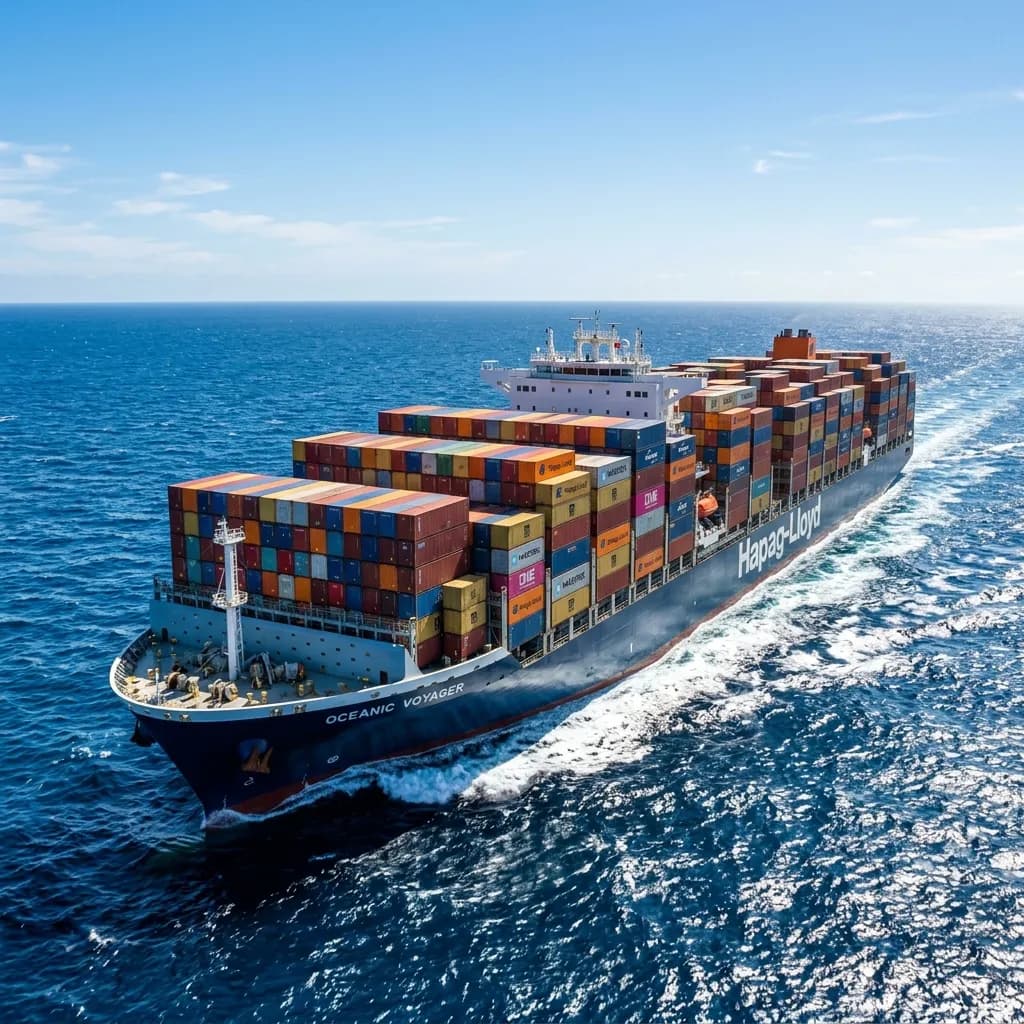
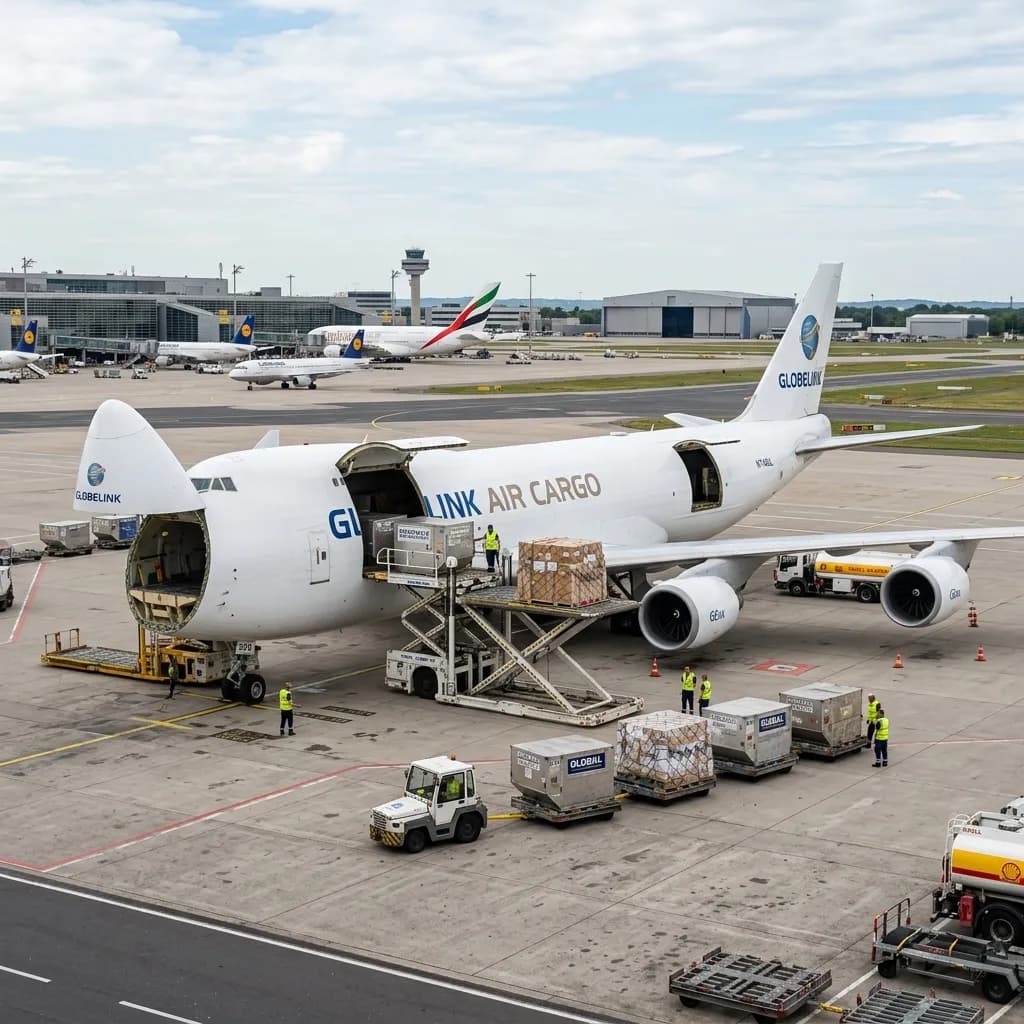
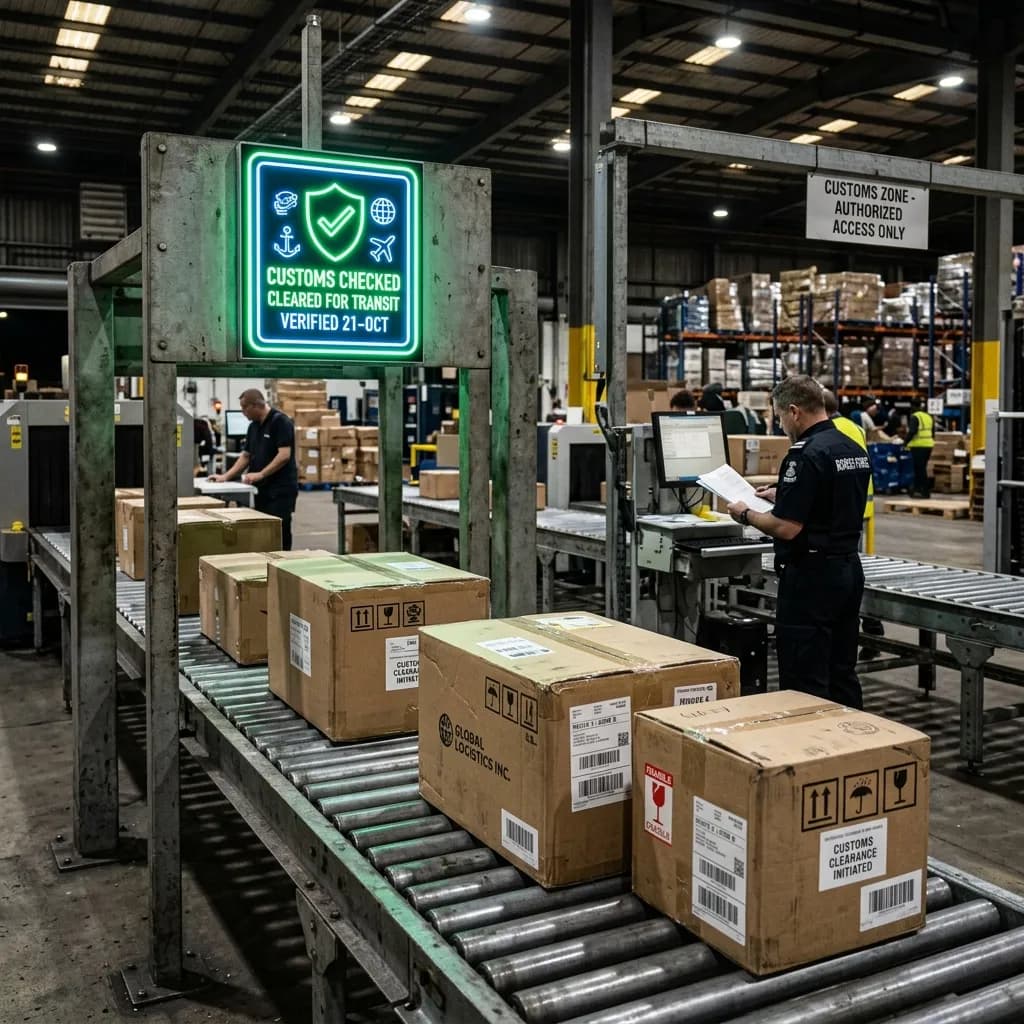
When international cargo arrives at a port of entry (whether ocean terminal, airport, or border land crossing), it enters a structured four-stage clearance process:
- Document Review: Customs officers or automated systems audit the shipping manifest, packing list, and commercial invoice to confirm details match.
- Valuation & Assessment: Customs appraises the transaction value of the goods and applies the corresponding ad-valorem duty rate based on the declared HS/HTS classification code.
- Duty Payment: Importers settle the customs duty balance along with any federal taxes (e.g. Merchandise Processing Fee (MPF) in the US or Import VAT in Europe) using automated systems like ACE or ICEGATE.
- Cargo Release: Once payment is confirmed and all regulatory agency checks are satisfied, customs issues a release authorization allowing the container to be picked up.
2. Mandatory Documentation Checklist
Importers must present complete documentation to prevent immediate cargo detentions:
| Document Name | Purpose | Key Requirements |
|---|---|---|
| Commercial Invoice | Declares transaction value and trade terms. | Must specify buyer, seller, currency, item description, and country of origin. |
| Packing List | Outlines the package dimensions, weights, and packaging. | Must match details on the commercial invoice and bill of lading exactly. |
| Bill of Lading / AWB | Acts as a contract of carriage and title to the cargo. | Issued by the carrier (shipping line or airline) with unique tracking codes. |
| Customs Bond | Guarantees payment of duties and compliance to customs laws. | Required in the US for all commercial entries exceeding $2,500. |
3. Worked Landed Cost Case Study
Let us look at a worked example for an importer clearing a shipment of 500 electric motors from China into the United States under standard DDP/FOB terms:
Landed Cost Audit Breakdown
- FOB Goods Transaction Value: $10,000
- Basic HTSUS Duty (2.5%): $250
- Section 301 China Tariff (25%): $2,500
- Merchandise Processing Fee (MPF @ 0.3464%): $34.64
- Harbor Maintenance Fee (HMF @ 0.125%): $12.50
- Customs Broker Clearance Fee: $200
- Total Border Fees and Taxes Paid: $2,997.14
- Total Landed Cost: $12,997.14
4. Frequently Asked Questions
How long does the customs clearance process take?
The standard customs clearance process typically takes between 24 and 48 hours. However, if the shipment is selected for intensive physical inspection or is missing required documentation, delays can extend to several weeks.
Can I clear customs without a licensed customs broker?
While individuals can technically clear personal shipments, commercial importers are highly advised to engage a licensed customs broker to handle the complex electronic ABI filings, classify HS codes, and post required customs bonds.
What causes customs clearance delays?
Common causes of border holds include incorrect HS classification codes, missing commercial invoices, undervaluation of transaction prices, lack of mandatory Partner Government Agency (PGA) permits, or cargo random-inspection flags.
How much does customs clearance cost?
Total customs clearance costs include the assessed customs duty, local sales taxes (like VAT/GST), port handling terminal charges (THC), and customs broker filing fees (typically ranging from $150 to $300 per entry).
Why Officers Trust Our Compliance Guidelines
Our compliance guidelines outline Importer of Record liabilities and Partner Government Agency (PGA) rules to avoid clearing delays:
- Regulatory Alignment: Based on entry procedures published by U.S. CBP, HMRC, and India's CBIC.
- Customs Bond Checklist: Explains single-entry vs. continuous bonds to ensure continuous coverage.
- Agency Rules: Flags when commodities require clearance from FDA, EPA, or other PGAs.
How to Ensure Customs Compliance
- Verify Importer of Record: Confirm who takes legal responsibility and financial liability for the border entry.
- Prepare customs paperwork: Collect commercial invoices, packing lists, and bills of lading in advance.
- Secure Continuous Bond: File an annual customs bond to speed cargo release at ports of entry.
Frequently Asked Customs Compliance Questions
Who is the Importer of Record (IOR)?
The Importer of Record is the individual or business entity legally responsible for ensuring that imported goods comply with local laws, paying duties, and submitting paperwork.
Why should frequent importers get a continuous customs bond?
A continuous bond covers all entries at all ports for a full year, eliminating the need to purchase expensive single-entry bonds for each shipment.
What happens if a customs entry is audited?
Border authorities will verify if the declared transaction value, origin of manufacture, and HS code classifications match historical records, assessing fees or fines if discrepancies are found.