# Landed Cost Calculator: Total Import Cost Formula & Incoterms Guide
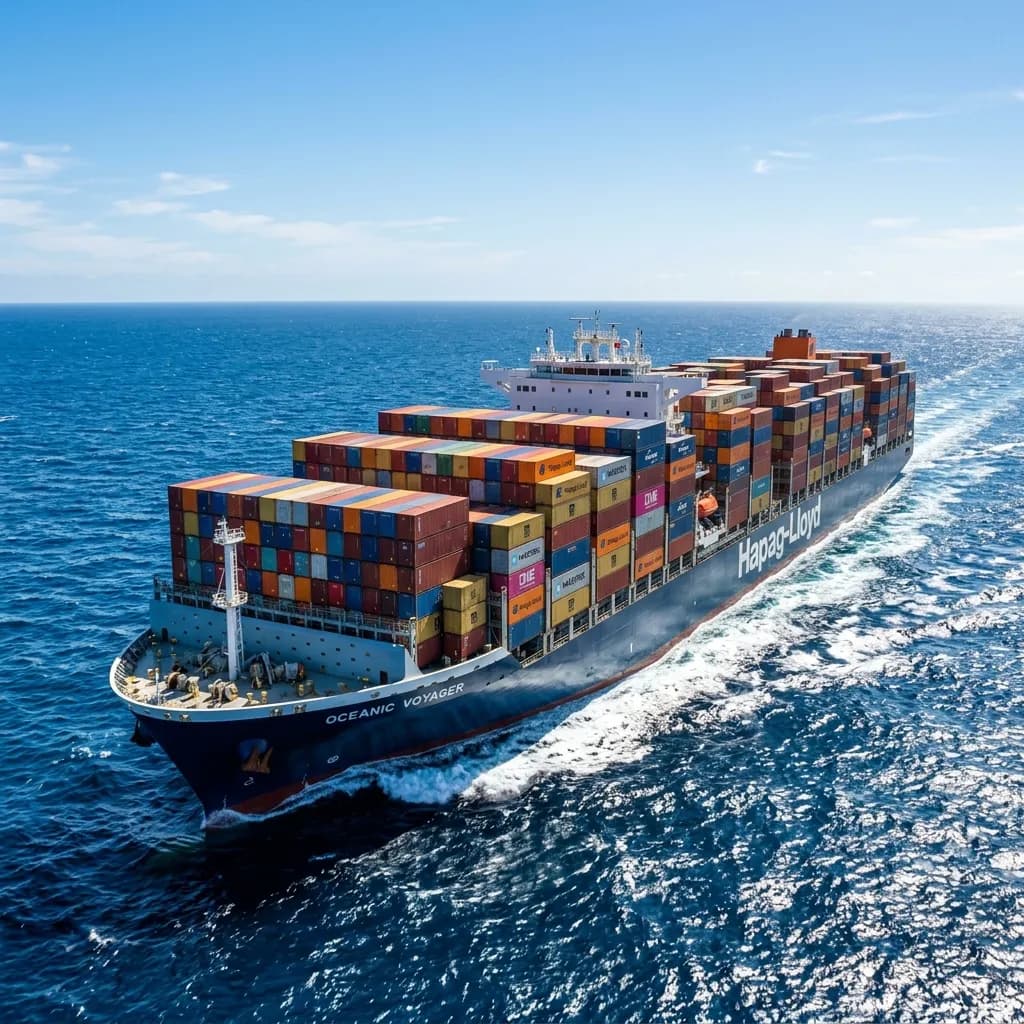
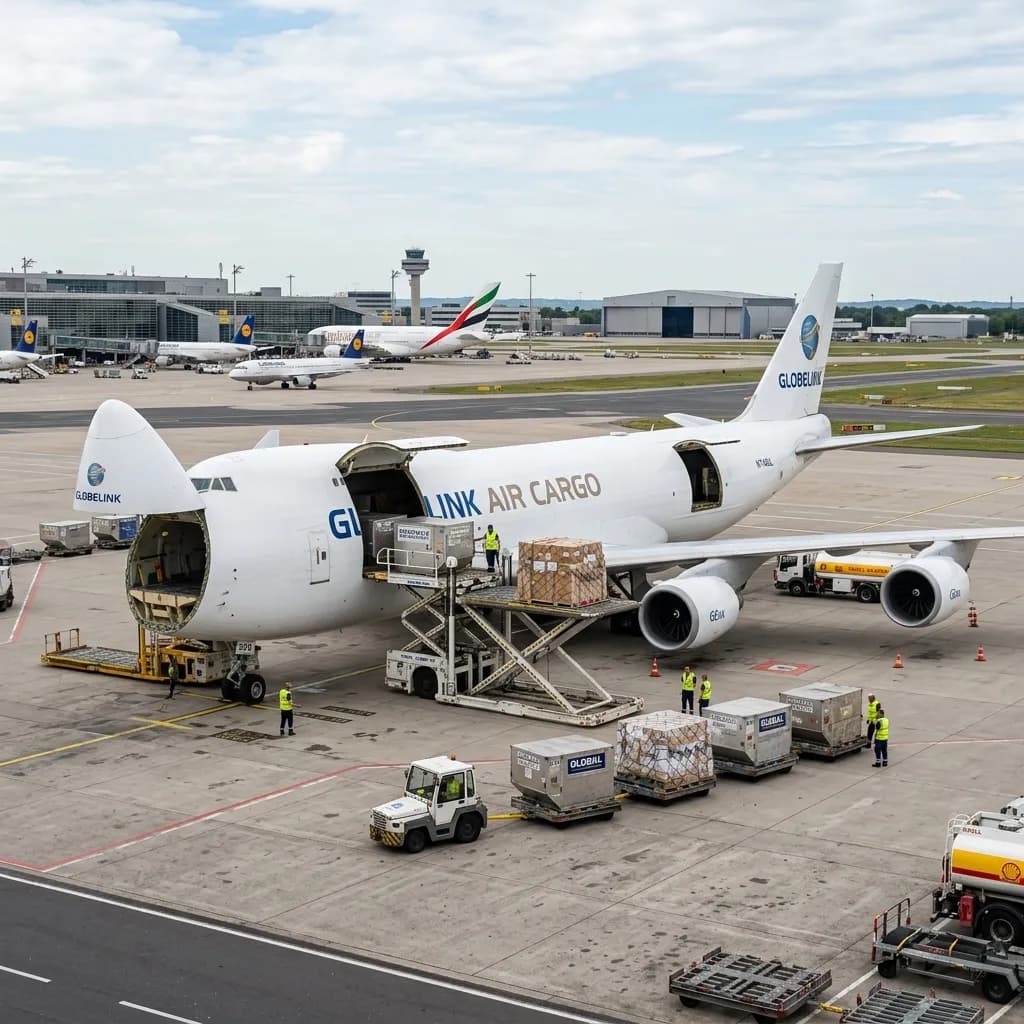
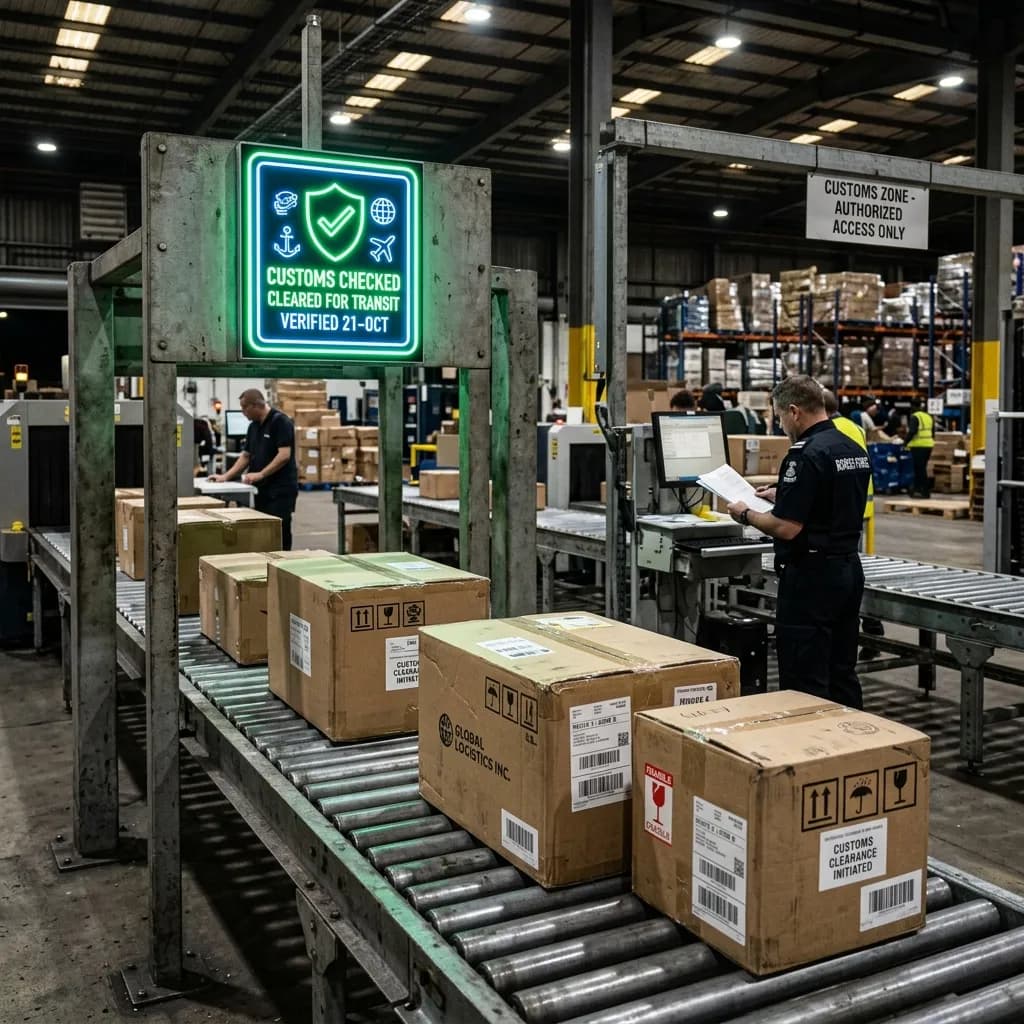
Total Landed Cost is the complete financial outlay required to manufacture, purchase, transport, insure, clear through customs, and deliver an international consignment to its final warehouse destination. Calculating landed cost accurately is essential for e-commerce profit margin analysis, wholesale price setting, and global supply chain risk management. Failing to account for hidden border charges—such as origin inland transport, [marine transit insurance](/landed-cost-calculator/freight-insurance-calculator/), customs duties, border VAT, port handling, and destination drayage—often turns seemingly profitable overseas purchases into financial losses.
The Master Total Landed Cost Formula
The comprehensive landed cost of an imported product is computed using the following master equation:
- Product Purchase Price (FOB / EXW): The factory gate or export port price quoted by the overseas supplier.
- International Logistics: Ocean freight (FCL/LCL), air express shipping, and fuel surcharges.
- Marine Transit Insurance: Cargo protection against loss or damage in transit (typically 0.3%–0.5% of value).
- Statutory Border Tariffs: Basic Customs Duty (BCD), anti-dumping duties, Section 301 surcharges, and administrative fees (MPF/HMF).
- Border Taxes: Import VAT, Goods and Services Tax (GST), or consumption tax assessed at customs.
- Destination Port & Handling Surcharges: Terminal Handling Charges (THC), customs broker filing fees, port storage, and final-mile trucking.
Incoterms 2020: Cost & Risk Allocation Summary
| Incoterm Rule | Buyer Responsibility | Seller Responsibility | Dutiable Freight Base | Risk Transfer Point |
|---|---|---|---|---|
| EXW (Ex Works) | All origin pickup, export customs, main transport, destination clearance | Packaging goods at factory gate | Full Freight & Insurance Added | Seller's Factory Gate |
| FOB (Free on Board) | Ocean freight, insurance, destination customs entry | Foreign inland transport & export customs clearance | Main Freight Added (CIF countries) | Vessel Boarding at Export Port |
| CIF (Cost, Insurance, Freight) | Destination customs clearance & local trucking | Main ocean freight & marine transit insurance | CIF Price = Duty Base | Foreign Export Loading |
| DDP (Delivered Duty Paid) | Unloading goods at destination warehouse | All freight, insurance, export & import customs, duties, taxes | All Costs Included | Destination Warehouse |
Step-by-Step Guide: How to Use Our Landed Cost Calculator
To model your exact landed cost per unit:
- Input your Product Order Value and Total Units Purchased.
- Select your Incoterms Rule (EXW, FOB, CIF, or DDP).
- Input estimated International Freight & Transit Insurance costs.
- Select your Destination Country to apply statutory customs duty rates and border VAT/GST slabs.
- Review the downloadable financial breakdown showing total landed expenditure, landed cost per unit, and net profit margins.
Frequently Asked Questions
Why is landed cost per unit higher than supplier invoice price?
Supplier invoice prices reflect only the raw product purchase cost. International shipping, insurance, customs duties, port fees, and border taxes typically add 20% to 50%+ to the factory price.
Are import VAT and GST included in final landed cost?
For VAT-registered commercial businesses, import VAT/GST is reclaimable as Input Tax Credit (ITC) and is excluded from permanent product inventory cost. For end consumers, VAT/GST is a permanent cost.
How does Incoterms selection alter import customs duty?
In countries utilizing CIF valuation (EU, UK, India, Australia), selecting CIF or adding freight to FOB invoices increases the dutiable customs base, resulting in higher absolute duty amounts.
Advanced Cost Components in Global Supply Chain Accounting
When building corporate ERP landed cost models (SAP, NetSuite, Oracle SCM):
- Demurrage & Detention Charges: Demurrage fees ($150–$400/day) apply when ocean containers remain inside port terminals beyond free days. Detention fees apply when empty containers are held outside ports past equipment return deadlines.
- Customs Valuation Adjustments: Non-dutiable additions (such as domestic inland transport or post-importation assembly) must be explicitly itemized on entry declarations to prevent overpaying border duties.
- Foreign Exchange Risk Buffer: Importers hedging foreign currency liabilities must account for fluctuations between purchase order signing and official customs entry submission.
Comprehensive Technical Breakdown of Landed Cost Surcharges
To ensure complete financial control over international import ocean and air freight:
- Origin Port Surcharges: Export customs documentation fees, origin terminal handling charges (OTHC), verified gross mass (VGM) submission fees, and bill of lading (B/L) issuance fees.
- Main Freight Surcharges: Bunker Adjustment Factor (BAF) for marine fuel price shifts, Low Sulfur Surcharge (LSS), Peak Season Surcharge (PSS), and currency adjustment factors (CAF).
- Destination Port Surcharges: Destination Terminal Handling Charges (DTHC), port congestion surcharges, chassis usage fees, and customs exam hold fees.
- Customs Clearance & Regulatory Fees: Customs broker entry filing fees ($75–$150), partner government agency (PGA) clearance fees (FDA, EPA, USDA), customs bond premiums, and border inspection charges.
Best Practices for Landed Cost Modeling & Profit Protection
For finance managers, inventory controllers, and international logistics directors:
- Automated ERP Integration: Synchronize customs tariff databases and real-time freight carrier API feeds directly into enterprise ERP software to calculate landed costs dynamically upon purchase order creation.
- Post-Import Compliance Auditing: Conduct quarterly audits comparing estimated landed cost projections against actual carrier freight invoices, customs entry summaries, and broker billing statements to refine margin models.
- Demurrage Avoidance Protocols: Implement strict pre-manifest documentation workflows to ensure ocean bills of lading, commercial invoices, and packing lists are transmitted to destination customs brokers prior to vessel port arrival.
Strategic Freight Risk Management & Insurance Claims Protocols
When managing ocean or air cargo logistics across global trade lanes:
- Survey Inspection Certificates: Obtain an immediate joint cargo survey from accredited marine surveyors before signing delivery notes at container terminals.
- Subrogation Notice: File written claims against ocean carriers within statutory time limits (3 days for hidden damage under the Hague-Visby Rules).
- Insurance Deductible Management: Structure policy deductibles ($500–$1,000) to balance insurance premium costs against expected claims frequency.
Comprehensive Checklist for Supply Chain Landed Cost Accuracy
Before finalizing commercial import orders:
- Verify Official Commodity HS Codes: Confirm 6-digit to 10-digit tariff classifications to ensure accurate basic duty and trade remedy surcharge calculations.
- Itemize Inland & International Freight: Request itemized freight quotes separating origin inland transport from international main carriage.
- Audit Terminal & Carrier Fees: Estimate destination port terminal handling charges (DTHC), container un-stuffing fees, and customs broker entry fees prior to vessel departure.
FOB vs CIF Customs Valuation Bases
How shipping and insurance costs are treated varies by country. Understanding Incoterms is essential:
- FOB (Free On Board): Duties are assessed strictly on the price of the goods. Shipping and insurance are excluded (e.g. USA, Canada).
- CIF (Cost, Insurance, Freight): Duties are assessed on the combined value of goods, shipping freight, and marine cargo insurance (e.g. European Union, India, Australia).
Frequently Asked Questions
What is a landed cost?
Landed cost is the total price of a product once it has arrived at the buyer's door. It includes the original cost, shipping fees, customs duties, insurance, and handling charges.
What is notional freight and insurance?
When actual freight/insurance costs are not declared, customs authorities apply a standard regulatory percentage (e.g. India's 1.125% for insurance) to calculate the CIF value.
Why Logistics Teams Trust Our Landed Cost Calculations
We compute final landed costs incorporating incoterms, cargo insurance, and local port terminal handling charges:
- Incoterms Rules Integration: Computes financial shifts for DDP, FOB, and CIF cargo valuations.
- Itemized Cost Outlines: Includes ocean/air freight, insurance, clearing brokerage, and local cartage.
- Margin Defense: Ensures B2B sourcing managers estimate true costs before pricing products.
How to Calculate Landed Cost
- Determine FOB Value: Enter the net purchase price of the goods from your supplier invoice.
- Add Shipping & Insurance: Enter international freight transit fees and marine cargo insurance.
- Apply Duties & Port Fees: Compute customs tariffs and add handling, clearance brokerage, and delivery logistics.
Frequently Asked Landed Cost Questions
What variables make up commercial landed cost?
Landed cost is the sum of the product price, international ocean/air freight, transit insurance, customs duties, local VAT/GST, port handling fees, customs broker fees, and inland delivery costs.
Does FOB shipping value include transit insurance?
No. FOB (Free on Board) transaction value represents the cost of goods loaded onto the vessel at the export port, excluding international shipping and transit insurance.
Why is calculating landed cost critical for sourcing?
It reveals the total true cost of imported inventory, preventing sourcing teams from underestimating expenses and accidentally eroding profit margins.