
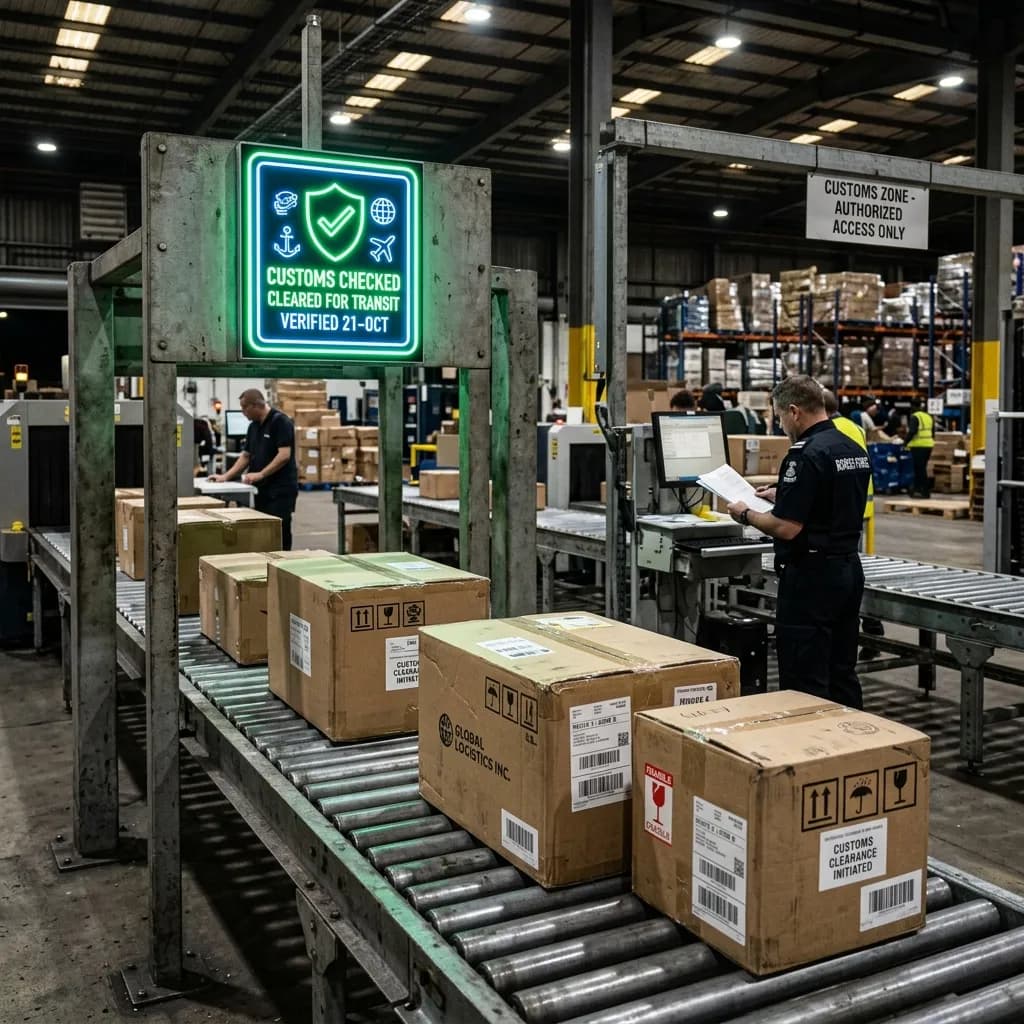
When shipping cargo into the United States, **U.S. Customs and Border Protection (CBP)** is the agency responsible for clearing shipments, enforcing trade regulations, and collecting customs revenues. Understanding the components of a CBP customs bill prevents unforeseen payment delays.
1. Formal vs. Informal Customs Entries
CBP classifies imports based on transaction value and commercial intent:
* Informal Entry: Typically used for commercial shipments valued under **$2,500 USD** (and personal passenger baggage). It does not require a customs bond, and clearing paperwork is simplified.
* Formal Entry: Mandatory for all commercial shipments valued over **$2,500 USD** (and restricted items of any value). A formal entry requires a **Customs Bond** and detailed declaration paperwork filed by a licensed customs broker.
2. CBP Duty Calculation Base
CBP assesses duties using the FOB (Free on Board) transaction value (the price paid for the goods excluding shipping and insurance fees). CBP applies standard HTSUS duty rates to this value.
3. CBP User Fees
CBP charges additional processing fees to fund border operations:
* Merchandise Processing Fee (MPF): Charged on all entries. For formal entries, the rate is 0.3464% of FOB value (min $31.67, max $614.35).
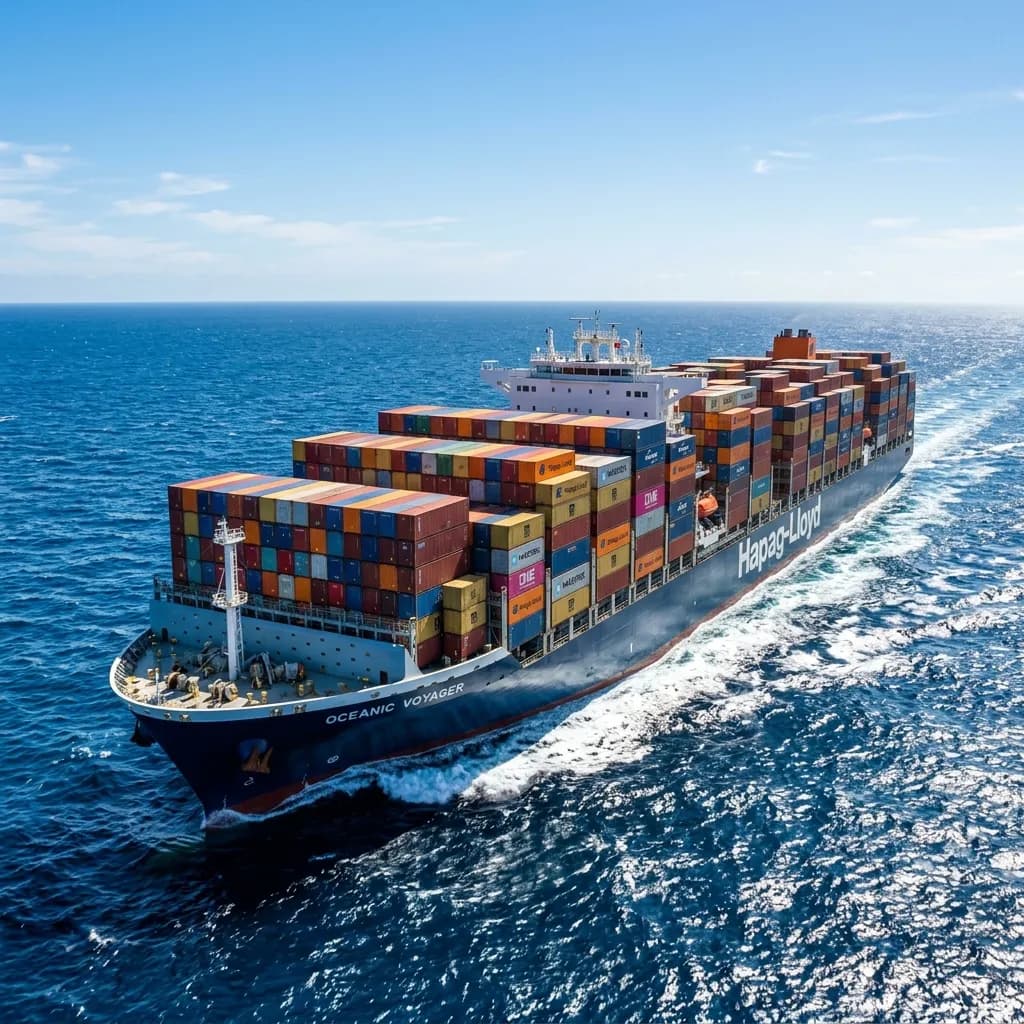
* Harbor Maintenance Fee (HMF): Charged at 0.125% of goods value strictly on cargo arriving via maritime transport (ocean ports).
Calculate CBP Duties & Fees Online
Estimate U.S. customs duties, Section 301 tariffs, and MPF processing fees easily online using our tool.
Open US CalculatorWhy Officers Trust Our Compliance Guidelines
Our compliance guidelines outline Importer of Record liabilities and Partner Government Agency (PGA) rules to avoid clearing delays:
- Regulatory Alignment: Based on entry procedures published by U.S. CBP, HMRC, and India's CBIC.
- Customs Bond Checklist: Explains single-entry vs. continuous bonds to ensure continuous coverage.
- Agency Rules: Flags when commodities require clearance from FDA, EPA, or other PGAs.
How to Ensure Customs Compliance
- Verify Importer of Record: Confirm who takes legal responsibility and financial liability for the border entry.
- Prepare customs paperwork: Collect commercial invoices, packing lists, and bills of lading in advance.
- Secure Continuous Bond: File an annual customs bond to speed cargo release at ports of entry.
Frequently Asked Customs Compliance Questions
Who is the Importer of Record (IOR)?
The Importer of Record is the individual or business entity legally responsible for ensuring that imported goods comply with local laws, paying duties, and submitting paperwork.
Why should frequent importers get a continuous customs bond?
A continuous bond covers all entries at all ports for a full year, eliminating the need to purchase expensive single-entry bonds for each shipment.
What happens if a customs entry is audited?
Border authorities will verify if the declared transaction value, origin of manufacture, and HS code classifications match historical records, assessing fees or fines if discrepancies are found.