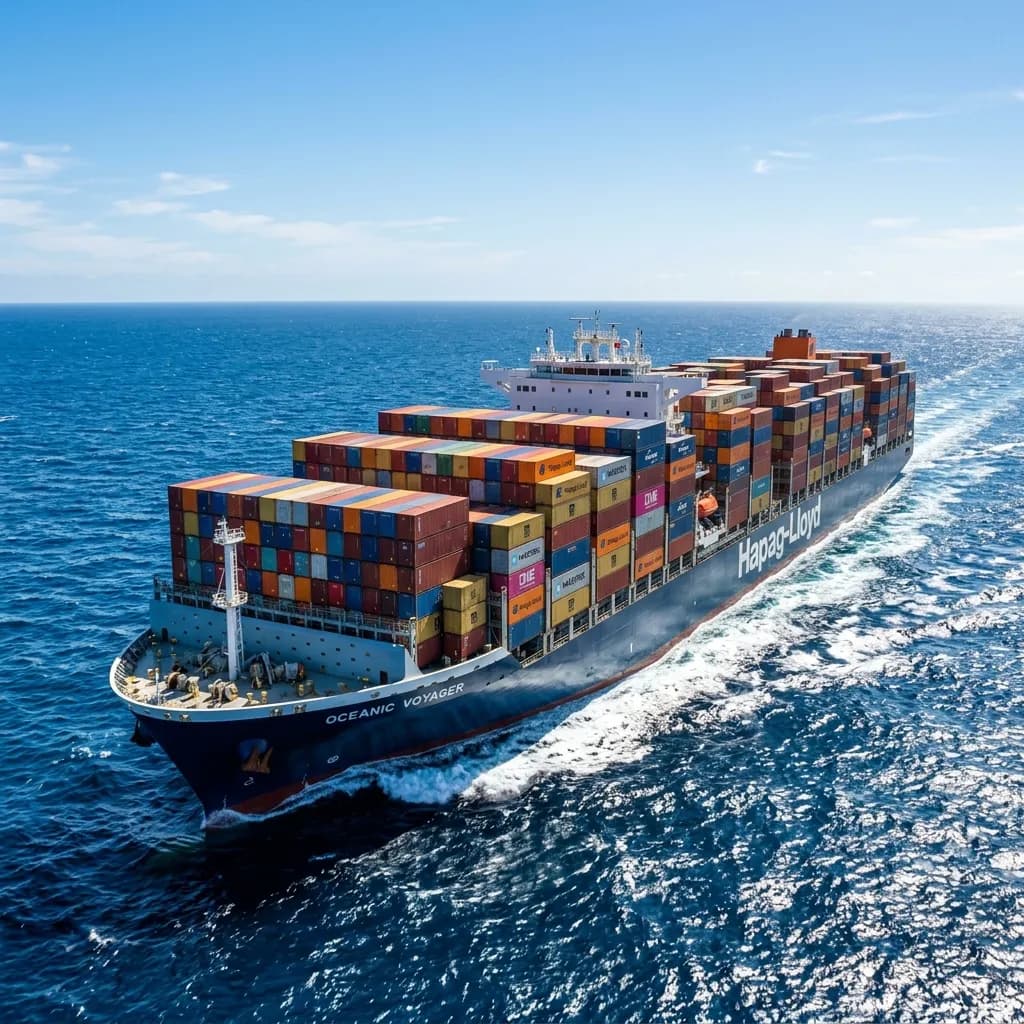
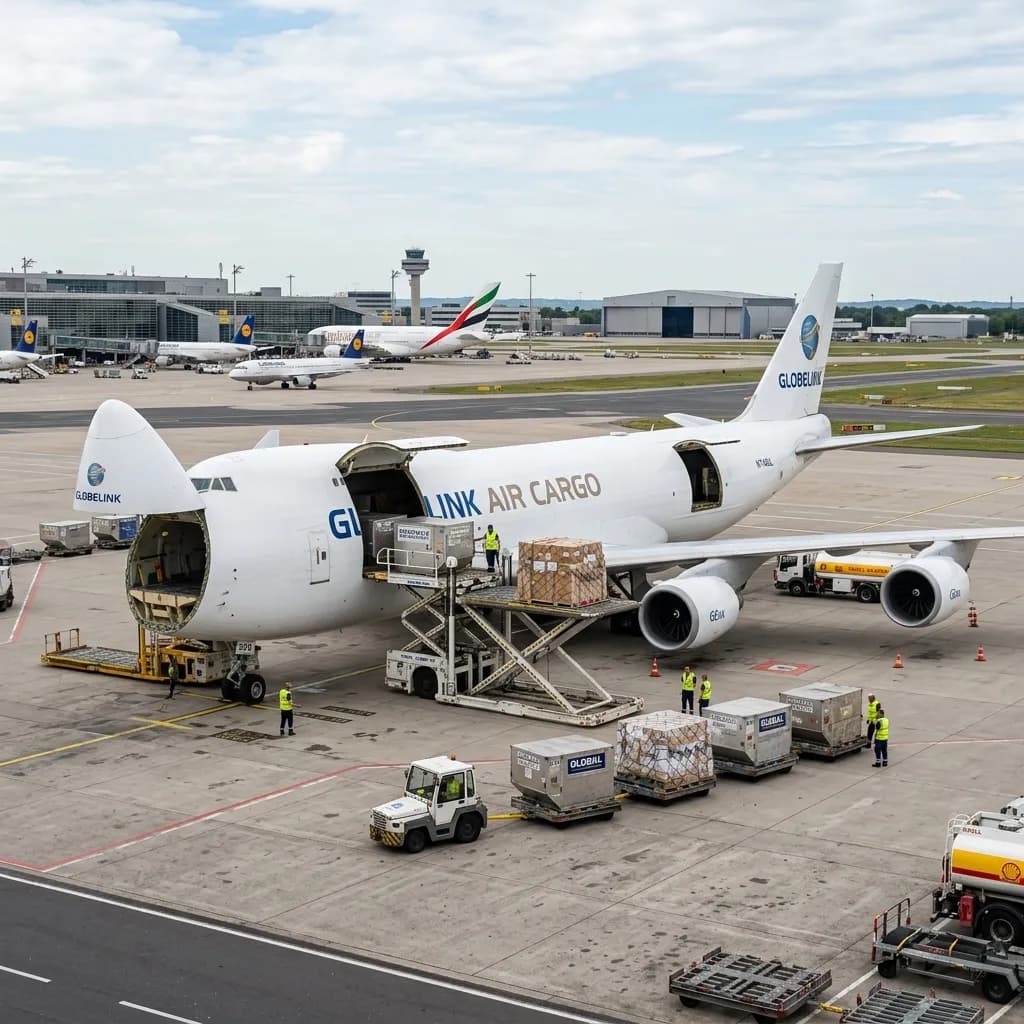
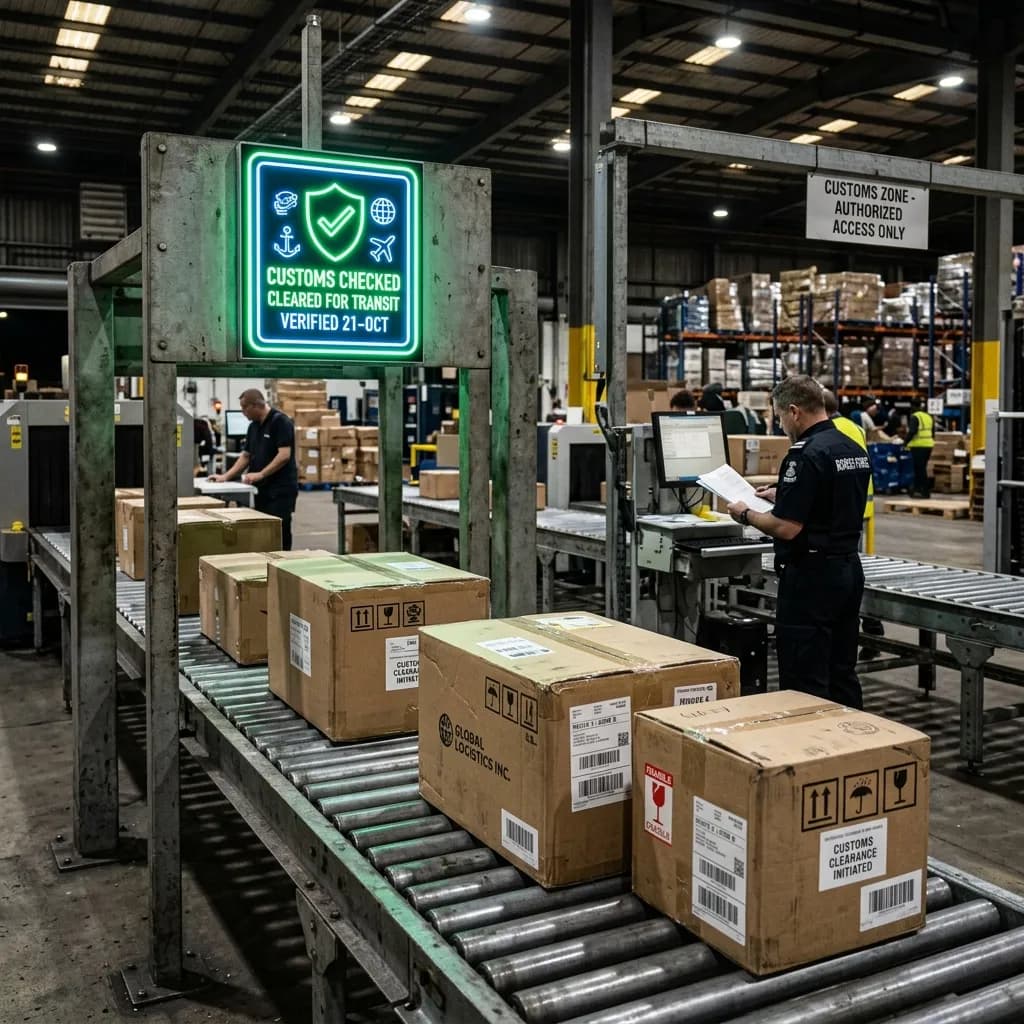
DDP (Delivered Duty Paid) is an Incoterm where the SELLER is responsible for all costs and risks of delivering goods to the buyer's named destination — including export clearance, international freight, import duties, taxes, and final delivery. Under DDP, the buyer pays nothing extra at delivery; all charges are already included in the seller's quoted price.
1. Understanding DDP (Delivered Duty Paid) Rules
In the arena of global logistics, choosing the correct international commercial term (Incoterm) is critical for managing supply chain risk and margins. Under the International Chamber of Commerce (ICC) rules, Delivered Duty Paid (DDP) represents the maximum obligation for the seller. Unlike most other shipping arrangements, the seller acts as the exporter of record at origin, organizes the entire international transit pipeline, manages the import customs clearance at the destination border, pays all customs duties and local consumption taxes (such as VAT or GST), and delivers the cargo to the buyer's designated address.
For buyers, DDP offers the ultimate convenience: a simple purchasing arrangement similar to domestic shipping. However, for sellers, it carries significant compliance burdens. The seller must not only fund all cargo movement but must also navigate the importing country's complex border rules, hold a local customs registration or hire a resident custom broker, and manage potential currency and tariff fluctuations.
2. DDP vs DDU: Key Differences
One of the most frequent points of confusion in international trade is the difference between DDP and DDU (Delivered Duty Unpaid). While DDU was officially replaced by DAP (Delivered at Place) in the Incoterms 2010 and 2020 revisions, the term is still widely used in commercial logistics.
The fundamental difference lies in who takes responsibility for destination import duties and tax clearance:
- DDP: The seller bears the responsibility and cost of import customs clearance, customs duty payment, and local taxes (VAT/GST). The buyer simply waits for delivery.
- DDU (DAP): The seller handles transit to the destination place, but the buyer is responsible for import customs clearance, paying import duties, and coordinating local taxes at the border before cargo release.
| Cost & Risk Element | DDP Shipping Terms | DDU / DAP Shipping Terms |
|---|---|---|
| Export Packing & Loading | Seller | Seller |
| Origin Port Handling & Customs | Seller | Seller |
| International Ocean/Air Freight | Seller | Seller |
| Import Customs Entry File | Seller (Exporter of Record) | Buyer (Importer of Record) |
| Customs Duties & Tariffs | Seller | Buyer |
| Import VAT or GST Slabs | Seller (Unless otherwise agreed) | Buyer |
| On-carriage (Delivery to Door) | Seller | Seller |
3. DDP vs. FOB, EXW, and CIF
To place DDP in context, supply chain professionals must contrast it against the other common Incoterms:
- EXW (Ex Works): The minimum obligation for the seller. The seller simply makes the goods available at their own factory, and the buyer assumes all transport costs, export licenses, ocean freight, and import clearing.
- FOB (Free on Board): The seller clears the goods for export and loads them onto the vessel. The buyer takes over all ocean freight and importing duties. You can review the trade-offs in our dedicated CIF vs. FOB comparison guide.
- CIF (Cost, Insurance, and Freight): The seller pays for international ocean transport and basic marine insurance to the destination port, but the buyer takes over risk and pays for customs clearance and duties upon arrival.
4. Is DDP Good for Buyers or Sellers?
Deciding whether to use DDP depends on your company's logistics expertise and bargaining power:
Pros & Cons for Buyers:
Pros: Zero administrative burden. The buyer does not need to register for customs, purchase customs bonds, or manage brokers. Landed cost is known upfront, removing unexpected margin hits.
Cons: Generally more expensive. Sellers add a buffer margin to cover logistics complexity and tariff risk. In addition, the buyer cannot easily claim Input Tax Credits (ITC) for import VAT paid by the seller, making it tax-inefficient in VAT-driven jurisdictions.
Pros & Cons for Sellers:
Pros: Powerful sales conversion tool. Sourcing managers prefer DDP quotes because they are hassle-free. Sellers can also negotiate better bulk freight rates to improve margins.
Cons: Extreme risk. If custom authorities audit the shipment and find classification errors or valuation discrepancies, the seller is liable for penalties. Delay fees (demurrage/detention) are also absorbed by the seller.
5. Worked Landed-Cost Numeric Example under DDP Terms
Let's examine a worked mathematical calculation to show how costs stack under a DDP agreement compared to standard importing:
Scenario: Importing 1,000 Electronics Devices from Shanghai to New York
- Factory Purchase Value (FOB): $10,000 ($10 per unit)
- International Freight & Cargo Insurance: $1,500 (Paid by Seller)
- Customs Duty Rate: 5.0% on FOB value = $500 (Paid by Seller)
- Destination Port Clearance Fees: $300 (Paid by Seller)
- Final Delivery Cartage to Buyer's Door: $300 (Paid by Seller)
- Total Landed Cost: $12,600
Under DDP shipping terms, the seller charges the buyer a single, all-inclusive price of $12,600 (or higher to include profit margin). The buyer pays this single invoice, and the cargo arrives at their dock with no border invoices.
6. Frequently Asked Questions
What does DDP mean in shipping?
DDP stands for Delivered Duty Paid. It is a shipping agreement where the seller assumes all costs, clearance responsibilities, and transit risks associated with transporting goods from origin to the buyer's named destination door, paying all export/import duties and taxes.
What is the difference between DDP and DDU?
The key difference is duty payment. Under DDP (Delivered Duty Paid), the seller clears the goods at the destination border and pays all duties and VAT. Under DDU (Delivered Duty Unpaid, or DAP), the seller delivers the goods to the destination country, but the buyer is responsible for import customs clearance, duty payment, and local tax processing.
Who pays customs duty under DDP terms?
The seller pays the customs duty under DDP terms. The seller acts as the exporter of record and coordinates the customs clearance through a licensed customs broker at the destination border, settling all duty fees and local taxes before final delivery.
Is DDP the same as free shipping?
No, they are not the same. Free shipping means the buyer does not pay the shipping carrier charges, but they may still be hit with customs duty, import VAT, and clearing fees at the border. DDP is a legal commercial term that guarantees all shipping costs, customs clearance duties, and taxes are paid by the seller.
Why Logistics Teams Trust Our Landed Cost Calculations
We compute final landed costs incorporating incoterms, cargo insurance, and local port terminal handling charges:
- Incoterms Rules Integration: Computes financial shifts for DDP, FOB, and CIF cargo valuations.
- Itemized Cost Outlines: Includes ocean/air freight, insurance, clearing brokerage, and local cartage.
- Margin Defense: Ensures B2B sourcing managers estimate true costs before pricing products.
How to Calculate Landed Cost
- Determine FOB Value: Enter the net purchase price of the goods from your supplier invoice.
- Add Shipping & Insurance: Enter international freight transit fees and marine cargo insurance.
- Apply Duties & Port Fees: Compute customs tariffs and add handling, clearance brokerage, and delivery logistics.
Frequently Asked Landed Cost Questions
What variables make up commercial landed cost?
Landed cost is the sum of the product price, international ocean/air freight, transit insurance, customs duties, local VAT/GST, port handling fees, customs broker fees, and inland delivery costs.
Does FOB shipping value include transit insurance?
No. FOB (Free on Board) transaction value represents the cost of goods loaded onto the vessel at the export port, excluding international shipping and transit insurance.
Why is calculating landed cost critical for sourcing?
It reveals the total true cost of imported inventory, preventing sourcing teams from underestimating expenses and accidentally eroding profit margins.