Your duty free allowance is the maximum value of goods or quantity of specific items (such as alcohol, tobacco, and gifts) that a traveler can bring home without paying import customs duties, VAT, or local sales taxes. If your purchases exceed these thresholds, you must declare them and pay duty on the excess value.
1. Understanding Duty-Free Allowances
Personal duty-free exemptions are designed to simplify customs clearance for tourists and returning residents. Under World Customs Organization guidelines, these limits apply strictly to personal use items or gifts. Commercial inventory does not qualify for traveler duty-free allowances and must be declared under commercial importing rules.
2. Duty-Free Limits by Country in 2026
Exemption thresholds vary significantly by destination country:
- United States: Returning US residents generally receive a **$800** duty-free exemption, with excess value taxed at a flat rate of 3% for the next $1,000.
- United Kingdom: Travelers entering the UK can bring in up to **£390** worth of personal goods without paying duty or VAT (or £270 if arriving by private plane or boat).
- European Union: The EU sets a threshold of **€430** for air and sea travelers (slashed to €300 for land borders).
- Canada: Canada determines exemptions by stay duration: C$200 for stays of 24–48 hours, and **C$800** for stays exceeding 48 hours. Stays under 24 hours receive no exemption.
- Australia: Adult travelers receive a **A$900** duty-free allowance, while child travelers under 18 receive A$450.
3. Slabs for Alcohol and Tobacco
In addition to monetary value limits, countries enforce strict volume restrictions on "sin tax" items like alcohol and cigarettes. For example, the UK allows travelers to bring in 1 liter of spirits, 4 liters of still wine, and 200 cigarettes. Exceeding these quantities triggers immediate customs duty and excise taxes, even if the total monetary value of your baggage is under the general allowance limit.
4. Frequently Asked Questions
What is a duty-free allowance?
A duty-free allowance is the total value of personal items a traveler is allowed to bring back to their home country without paying import customs duties or local sales taxes.
Can I combine duty-free allowances with a partner?
No. Duty-free allowances are personal and cannot be pooled or combined with travel companions or family members to cover a single high-value item.
How do I declare goods exceeding my allowance?
You must declare excess goods on your customs declaration card or mobile portal upon arrival, proceeding to the Red Channel to settle any duty payments.
Do duty-free airport purchases count toward my allowance?
Yes. All goods purchased in airport duty-free shops count toward your destination country's personal value and quantity allowances.
Why Officers Trust Our Compliance Guidelines
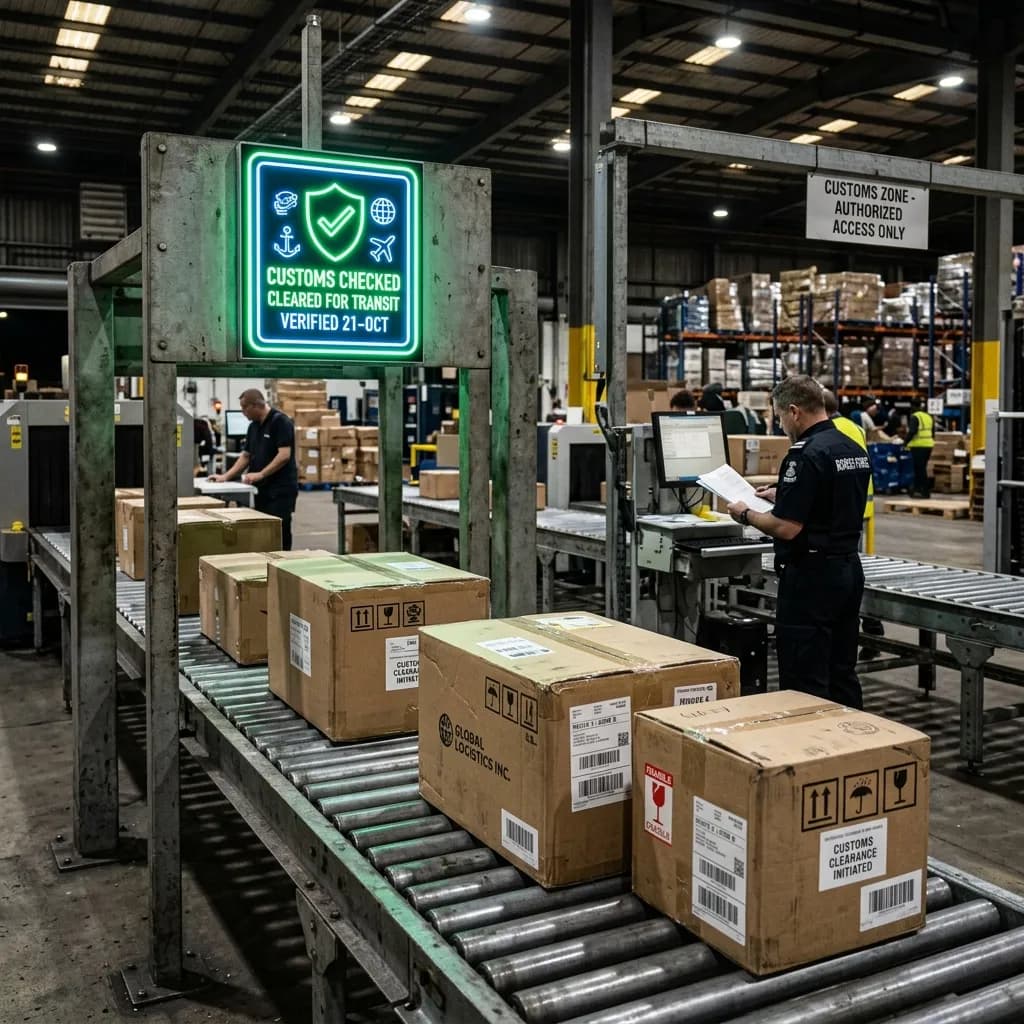
Our compliance guidelines outline Importer of Record liabilities and Partner Government Agency (PGA) rules to avoid clearing delays:
- Regulatory Alignment: Based on entry procedures published by U.S. CBP, HMRC, and India's CBIC.
- Customs Bond Checklist: Explains single-entry vs. continuous bonds to ensure continuous coverage.
- Agency Rules: Flags when commodities require clearance from FDA, EPA, or other PGAs.
How to Ensure Customs Compliance
- Verify Importer of Record: Confirm who takes legal responsibility and financial liability for the border entry.
- Prepare customs paperwork: Collect commercial invoices, packing lists, and bills of lading in advance.
- Secure Continuous Bond: File an annual customs bond to speed cargo release at ports of entry.
Frequently Asked Customs Compliance Questions
Who is the Importer of Record (IOR)?
The Importer of Record is the individual or business entity legally responsible for ensuring that imported goods comply with local laws, paying duties, and submitting paperwork.
Why should frequent importers get a continuous customs bond?
A continuous bond covers all entries at all ports for a full year, eliminating the need to purchase expensive single-entry bonds for each shipment.
What happens if a customs entry is audited?
Border authorities will verify if the declared transaction value, origin of manufacture, and HS code classifications match historical records, assessing fees or fines if discrepancies are found.