

HTSUS: The DNA of U.S. Custom Tariffs
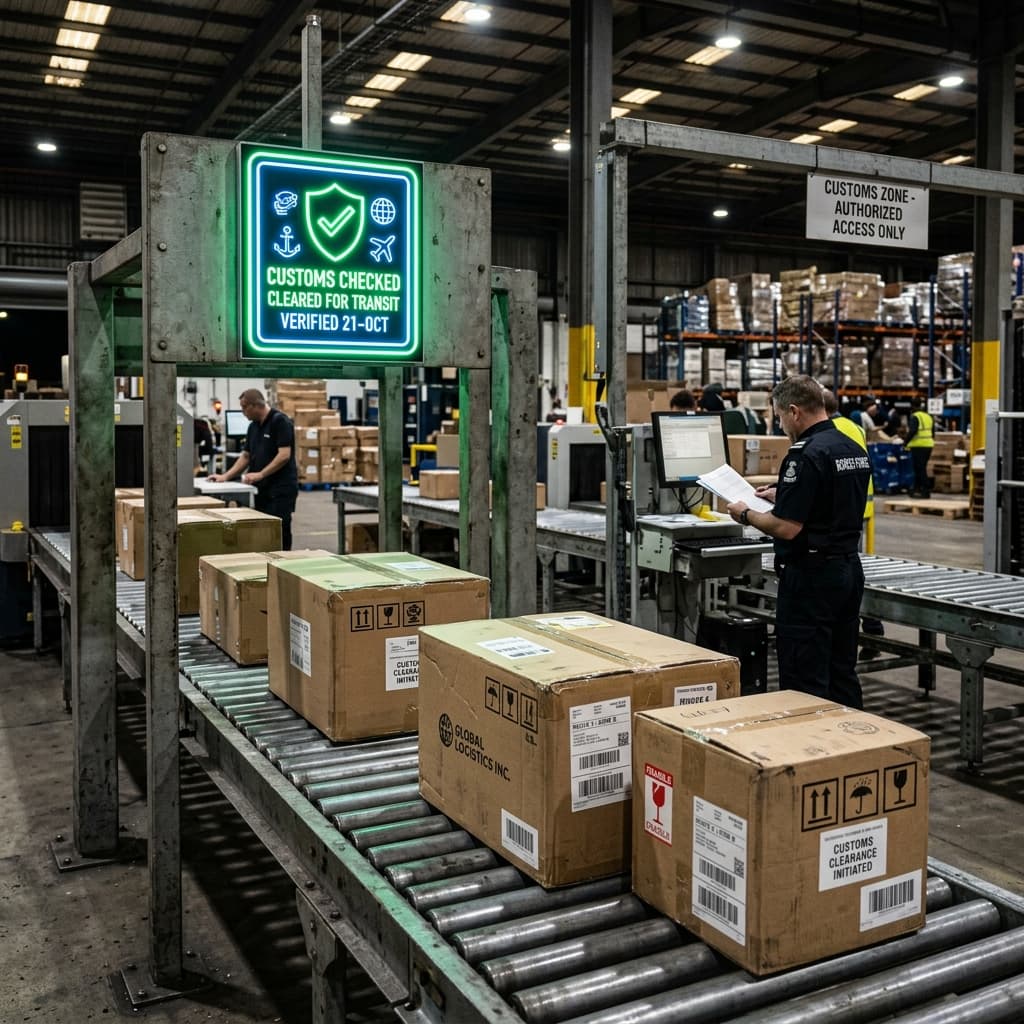
If you are importing goods into the United States, your cargo must be classified using the Harmonized Tariff Schedule of the United States (HTSUS). Maintained by the International Trade Commission (USITC), this 10-digit coding system determines the duty rates, surcharges, and restrictions for every product imported into the U.S.
1. Anatomy of a 10-Digit HTSUS Code
HTSUS codes are structured to move from broad categories to highly specific product details. Here is how a code is broken down (e.g., 6109.10.0010 for cotton T-shirts):
- Digits 1-2 (Chapter): The broad material category (e.g., Chapter 61: Articles of Apparel).
- Digits 3-4 (Heading): The specific item description within the chapter (e.g., T-shirts, singlet shirts).
- Digits 5-6 (Subheading): Harmonized globally across WCO member nations to declare material blends (e.g., Cotton).
- Digits 7-8 (U.S. Subheading): Unique to the United States to establish domestic tariff rates.
- Digits 9-10 (Statistical Suffix): Used by the U.S. Census Bureau to track import trade volumes and collect detailed trade data.
2. Reading the Tariff Slabs (General vs. Special)
When you lookup an HTSUS code in our USA calculator, you will see two duty columns:
- Column 1 General: The standard duty rate applied to imports from countries with which the U.S. maintains normal trade relations.
- Column 1 Special: Preferential tariff rates (often 0%) for countries covered by bilateral trade treaties (USMCA, KORUS, etc.) or concessions like GSP.
3. The Dangers of Misclassification
Importers are legally responsible for choosing the correct HTSUS code. Declaring an incorrect code to lower your duty exposure is considered customs fraud. CBP can issue penalties, seize cargo, and audit your historical shipment records back five years.
Why Trade Compliance Analysts Trust Our News Center
We monitor international trade announcements, presidential tariff orders, and annual budget duty updates:
- Verified Sources Only: Information sourced directly from trade ministries and federal customs departments.
- Subheading Level Updates: Tracks adjustments mapping to WCO Harmonized System chapters.
- Practical Compliance Context: Explains how policy modifications translate into real commercial cargo costs.
How to Track Tariff Policy News
- Follow Trade Bulletins: Check our news feed for recent developments regarding tariff hikes or budget updates.
- Verify Enforcement Dates: Confirm the exact date new duty rates take effect to plan production and shipping.
- Analyze Financial Impact: Simulate rate updates in our calculators to model future margin changes.
Frequently Asked Trade News Questions
How often do import tariff rates change?
Tariffs can change during annual budget announcements, presidential trade decrees, or bilateral trade treaty adjustments. We update our databases monthly to reflect updates.
What is the difference between ad-valorem and specific duties?
Ad-valorem duties are percentages of the transaction value. Specific duties are fixed monetary charges per physical unit (like weight or count) of the cargo.
How do anti-dumping duties protect local markets?
Anti-dumping duties are steep protective surcharges imposed on imports priced below fair market values, neutralizing foreign subsidization.