

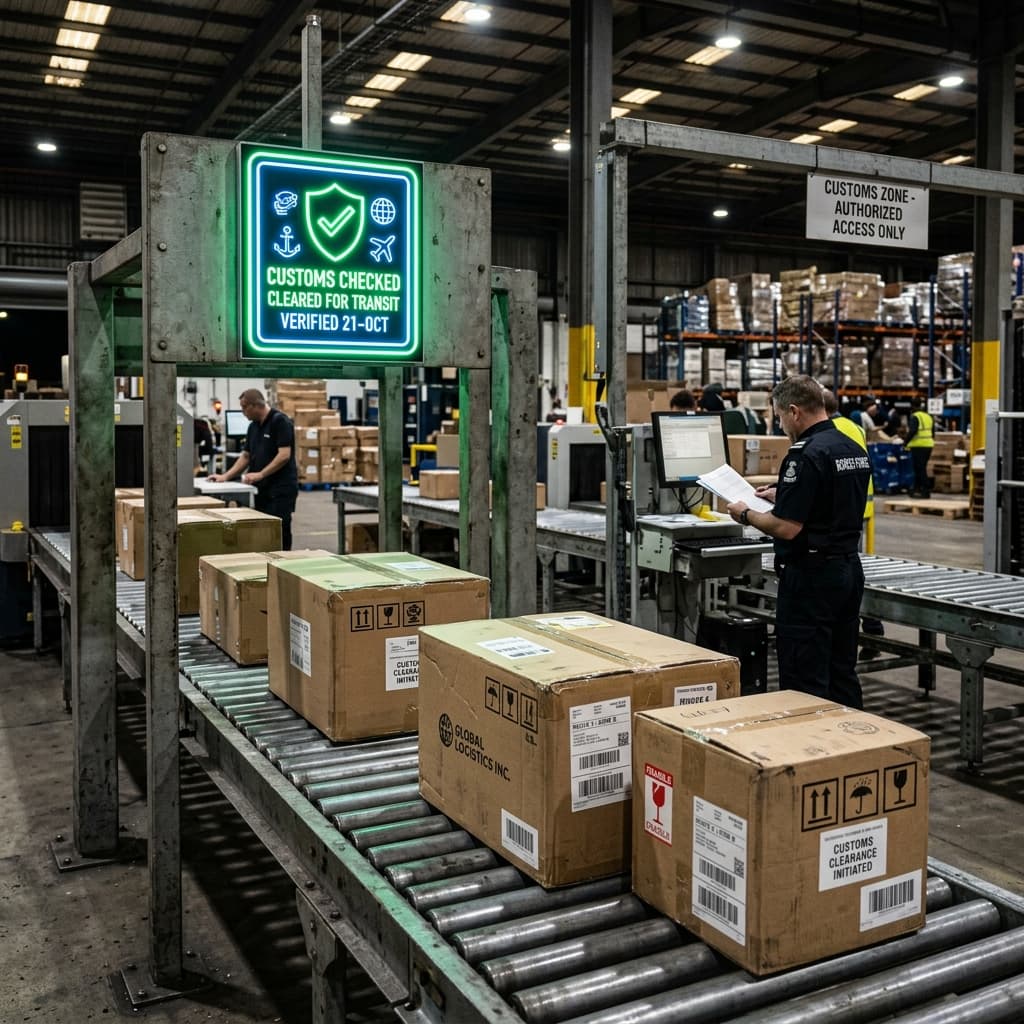
The Importer's Document Checklist
International trade compliance relies on paper and digital records to verify the origin, value, classification, and safety of commodities. Presenting incorrect or missing customs documents is the leading cause of shipping holds, customs inspections, and warehouse demurrage charges.
1. Core Commercial Documents
Every commercial border transaction requires these three basic documents:
- Commercial Invoice: Generated by the exporter, this defines the transaction price, unit prices, HS codes, origin country, and Incoterm rules. Customs uses this to assess duties.
- Packing List: Details the weight, dimensions, packaging details (pallets, cartons), and contents of each shipping container.
- Bill of Lading (B/L) or Air Waybill (AWB): The contract between the shipper and the freight carrier, serving as a receipt of cargo and title document.
2. Verification & Compliance Certificates
Depending on the product and destination, you may need to file additional paperwork:
- Certificate of Origin (CO): Proves where the goods were manufactured. Mandatory to qualify for tariff reductions under Free Trade Agreements (e.g. USMCA, UK-EU TCA).
- Phytosanitary Certificate: Required for agricultural products, wood packaging, plants, and raw food items to verify they are pest-free.
- Material Safety Data Sheet (MSDS): Required for hazardous cargo, chemicals, batteries, and volatile consumer liquids.
3. Bill of Entry / Import Declaration
Filed by your licensed customs broker on your behalf (e.g., via CBP's ACE portal, India's Icegate, or Pakistan's WeBOC system). This document consolidates the classification and valuation to finalize payment of customs duties and local taxes.
Why Trade Compliance Analysts Trust Our News Center
We monitor international trade announcements, presidential tariff orders, and annual budget duty updates:
- Verified Sources Only: Information sourced directly from trade ministries and federal customs departments.
- Subheading Level Updates: Tracks adjustments mapping to WCO Harmonized System chapters.
- Practical Compliance Context: Explains how policy modifications translate into real commercial cargo costs.
How to Track Tariff Policy News
- Follow Trade Bulletins: Check our news feed for recent developments regarding tariff hikes or budget updates.
- Verify Enforcement Dates: Confirm the exact date new duty rates take effect to plan production and shipping.
- Analyze Financial Impact: Simulate rate updates in our calculators to model future margin changes.
Frequently Asked Trade News Questions
How often do import tariff rates change?
Tariffs can change during annual budget announcements, presidential trade decrees, or bilateral trade treaty adjustments. We update our databases monthly to reflect updates.
What is the difference between ad-valorem and specific duties?
Ad-valorem duties are percentages of the transaction value. Specific duties are fixed monetary charges per physical unit (like weight or count) of the cargo.
How do anti-dumping duties protect local markets?
Anti-dumping duties are steep protective surcharges imposed on imports priced below fair market values, neutralizing foreign subsidization.