Optimizing Your Global Freight Budget
Calculating the true cost of international shipping requires comparing not just carrier base rates, but also transit modes, custom clearance charges, local delivery fees, and port surcharges. Selecting the wrong shipping method can erode profit margins or lead to missed production deadlines.
1. Freight Transit Mode Comparison Table
| Transit Mode | Average Transit Time | Cost Structure | Customs Complexity |
|---|---|---|---|
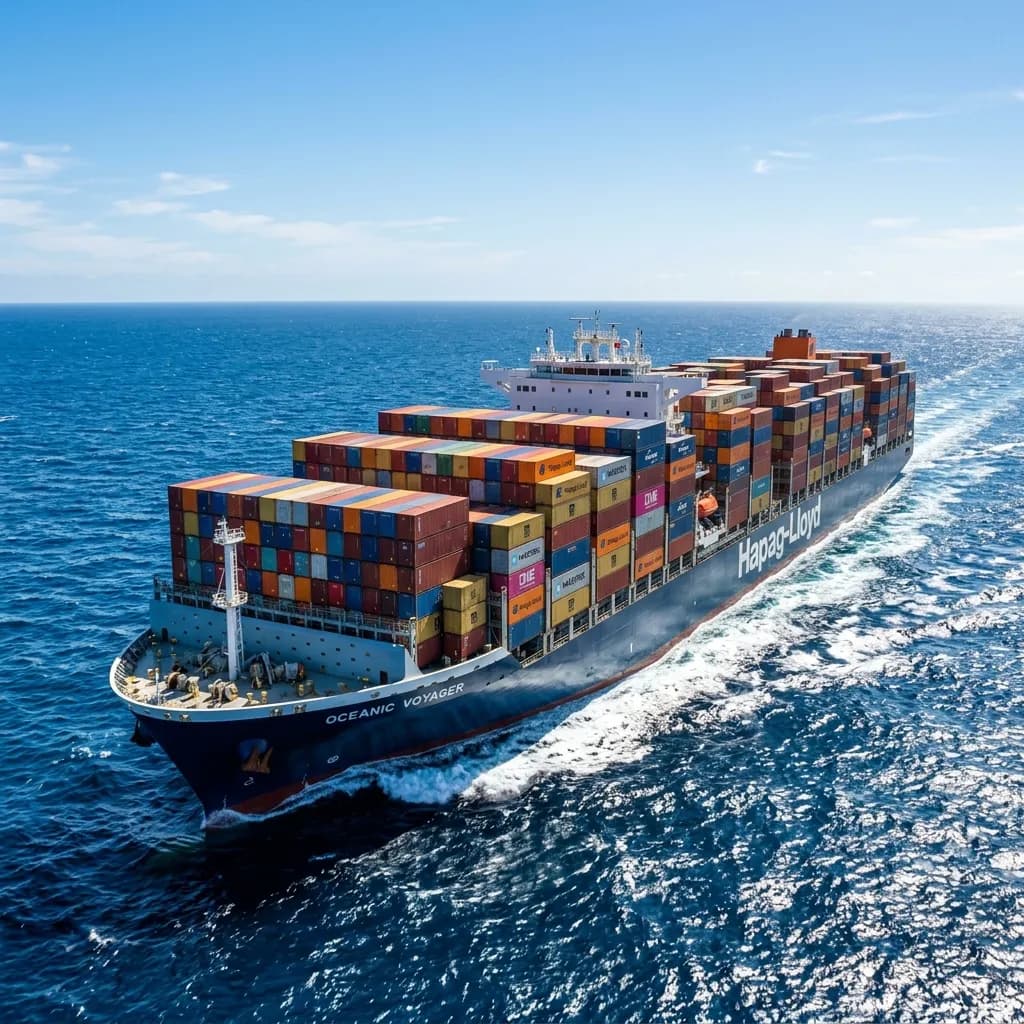
| Ocean (FCL/LCL) | 20 - 40 Days | Low (per cubic meter) | High (Requires customs broker) |
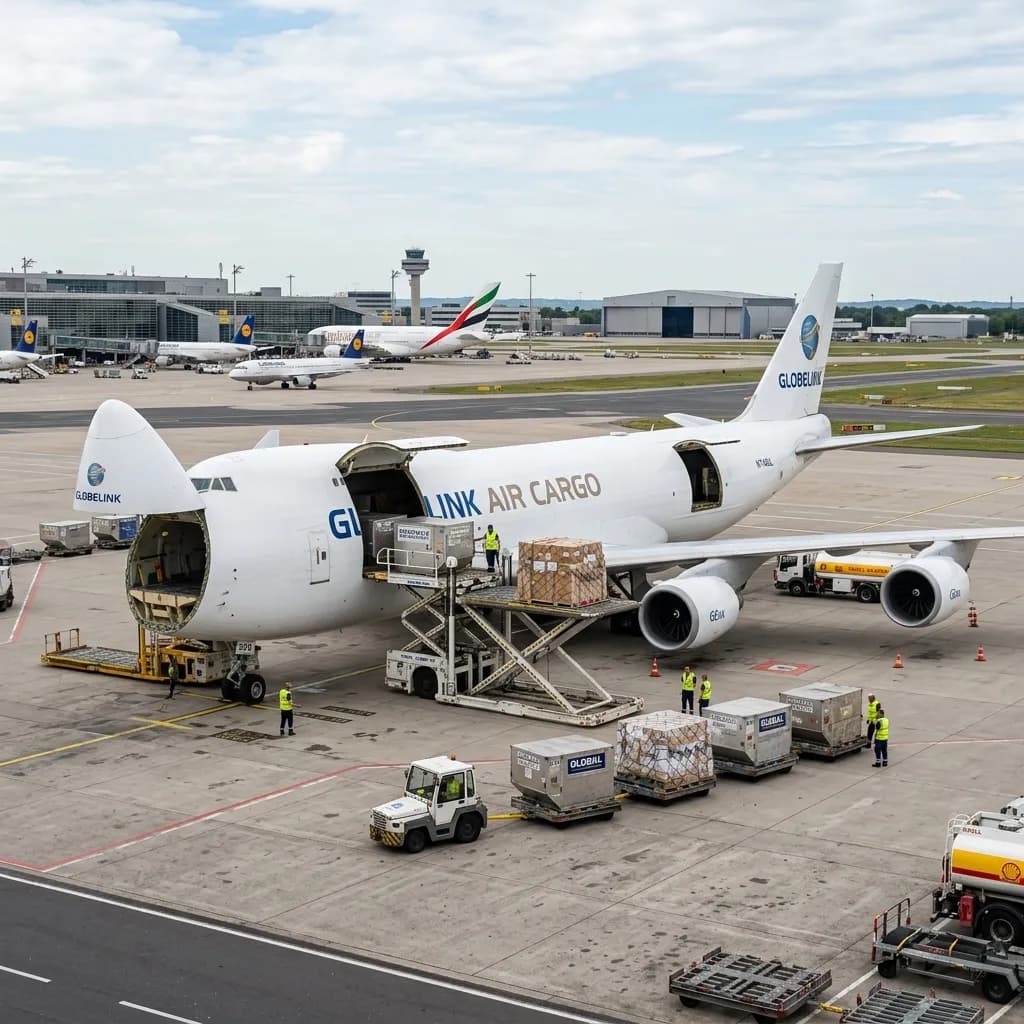
| Air Freight | 3 - 7 Days | Medium-High (per kg) | Medium-High (Requires clearance) |
| Express Courier | 1 - 3 Days | High (per dimensional weight) | Low (Simplified clearance) |
2. Understanding Hidden Port Surcharges
Freight forwarder quotes often omit hidden fees that accumulate during transit:
- Demurrage and Detention: Fines charged by shipping lines for keeping ocean containers past the free-time limit at port yards.
- Disbursement / Deferment Fees: Admin charges billed by couriers (DHL, FedEx) for prepaying customs duties on your behalf.
- Fuel Surcharges (BAF): Variable charges calculated dynamically based on global marine and jet fuel prices.
3. Factoring Freight into CIF Valuation Base
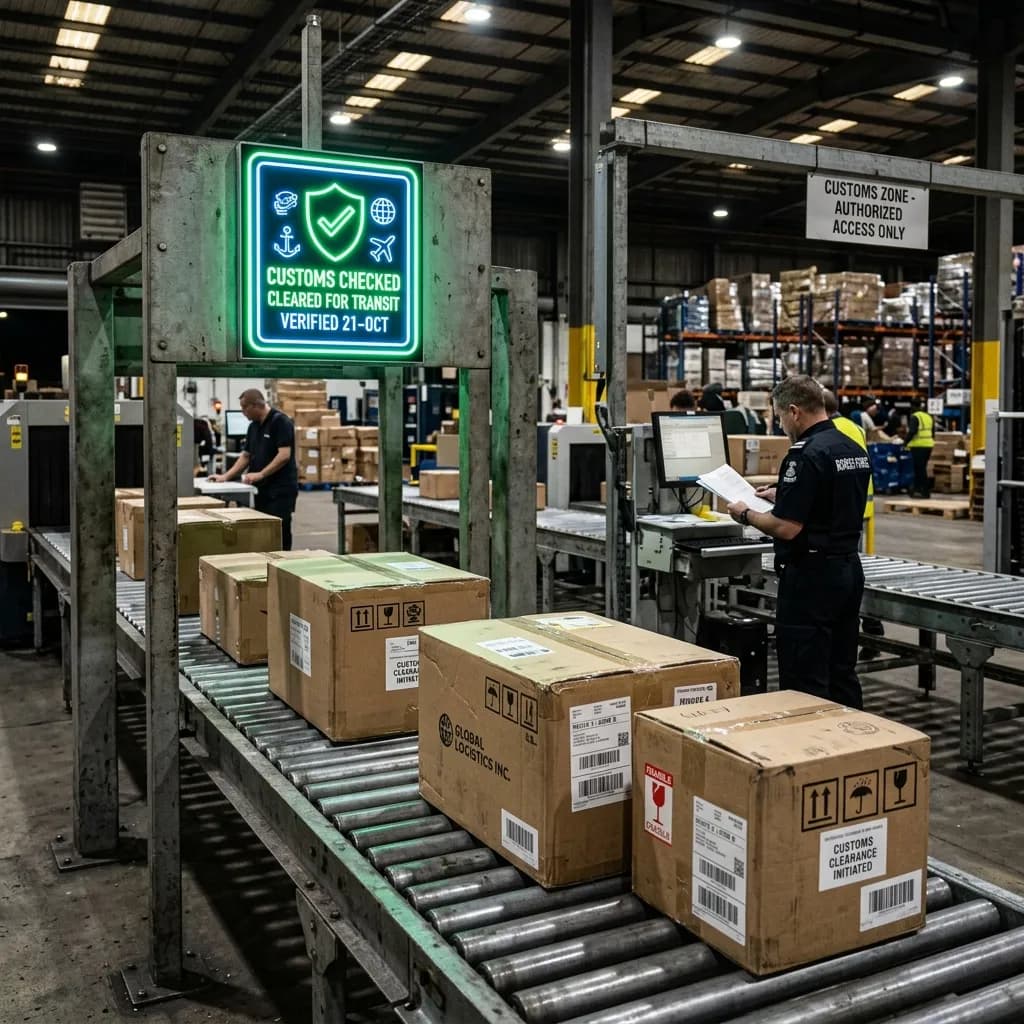
Remember that in CIF destinations (EU, UK, India, Pakistan), your shipping cost is taxable. Higher freight costs directly increase the amount of customs duty and VAT/GST you owe at checkout.
Why Trade Compliance Analysts Trust Our News Center
We monitor international trade announcements, presidential tariff orders, and annual budget duty updates:
- Verified Sources Only: Information sourced directly from trade ministries and federal customs departments.
- Subheading Level Updates: Tracks adjustments mapping to WCO Harmonized System chapters.
- Practical Compliance Context: Explains how policy modifications translate into real commercial cargo costs.
How to Track Tariff Policy News
- Follow Trade Bulletins: Check our news feed for recent developments regarding tariff hikes or budget updates.
- Verify Enforcement Dates: Confirm the exact date new duty rates take effect to plan production and shipping.
- Analyze Financial Impact: Simulate rate updates in our calculators to model future margin changes.
Frequently Asked Trade News Questions
How often do import tariff rates change?
Tariffs can change during annual budget announcements, presidential trade decrees, or bilateral trade treaty adjustments. We update our databases monthly to reflect updates.
What is the difference between ad-valorem and specific duties?
Ad-valorem duties are percentages of the transaction value. Specific duties are fixed monetary charges per physical unit (like weight or count) of the cargo.
How do anti-dumping duties protect local markets?
Anti-dumping duties are steep protective surcharges imposed on imports priced below fair market values, neutralizing foreign subsidization.