

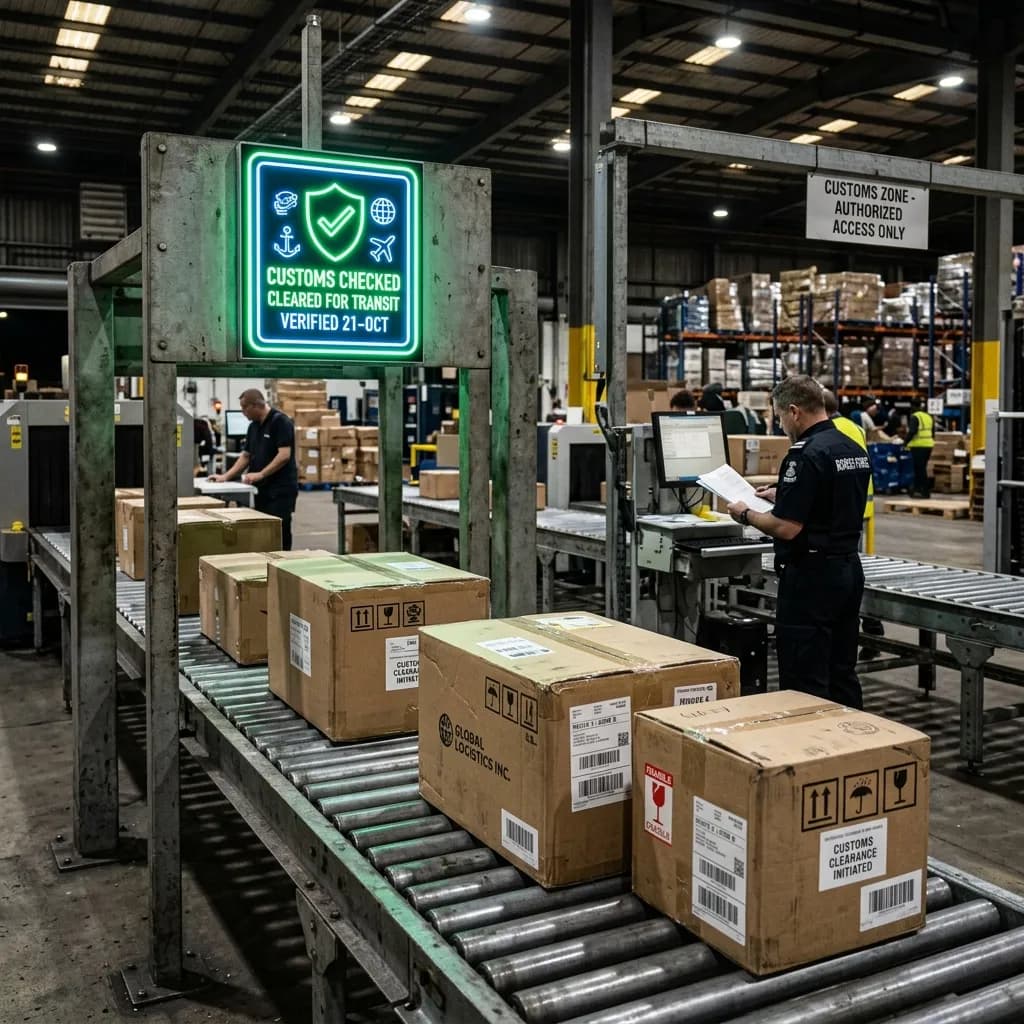
U.S. Border Compliance Checklist
Entering the United States commercially or for personal travel requires meeting the regulatory frameworks enforced by Customs and Border Protection (CBP) and the Department of Homeland Security (DHS). Compliance covers visa approvals, passport validity, and customs declarations.
1. Visa and Travel Authorizations
All non-U.S. citizens must possess one of the following to board flights or enter land borders:
- ESTA (Electronic System for Travel Authorization): For citizens of Visa Waiver Program countries visiting for business or tourism under 90 days.
- B1/B2 Visas: Traditional tourist and visitor visas stamped at U.S. Embassies.
- Commercial Visas: Specialty visas (L-1, H-1B, E-2) matching trade operations.
2. Customs Declarations (CBP Form 6059B)
Every traveler or head of a household must submit a customs declaration listing all articles acquired abroad:
- De-Minimis Limit: Returning U.S. residents generally receive a $800 duty-free allowance, while visitors receive a $100 allowance.
- Food and Agriculture: All fruits, vegetables, meat products, and biological materials must be declared. Failing to declare food items carries a minimum $300 fine.
- Cash Limits: Cash and monetary instruments (checks, gold coins) exceeding $10,000 USD must be declared on FinCEN Form 105.
3. Automated Passport Control (APC) & Global Entry
To expedite processing at major U.S. international airports, travelers can use biometric APC kiosks or enroll in Global Entry, a CBP Trusted Traveler program offering pre-approved, low-risk clearance.
Why Trade Compliance Analysts Trust Our News Center
We monitor international trade announcements, presidential tariff orders, and annual budget duty updates:
- Verified Sources Only: Information sourced directly from trade ministries and federal customs departments.
- Subheading Level Updates: Tracks adjustments mapping to WCO Harmonized System chapters.
- Practical Compliance Context: Explains how policy modifications translate into real commercial cargo costs.
How to Track Tariff Policy News
- Follow Trade Bulletins: Check our news feed for recent developments regarding tariff hikes or budget updates.
- Verify Enforcement Dates: Confirm the exact date new duty rates take effect to plan production and shipping.
- Analyze Financial Impact: Simulate rate updates in our calculators to model future margin changes.
Frequently Asked Trade News Questions
How often do import tariff rates change?
Tariffs can change during annual budget announcements, presidential trade decrees, or bilateral trade treaty adjustments. We update our databases monthly to reflect updates.
What is the difference between ad-valorem and specific duties?
Ad-valorem duties are percentages of the transaction value. Specific duties are fixed monetary charges per physical unit (like weight or count) of the cargo.
How do anti-dumping duties protect local markets?
Anti-dumping duties are steep protective surcharges imposed on imports priced below fair market values, neutralizing foreign subsidization.