Understanding Trade Market Search
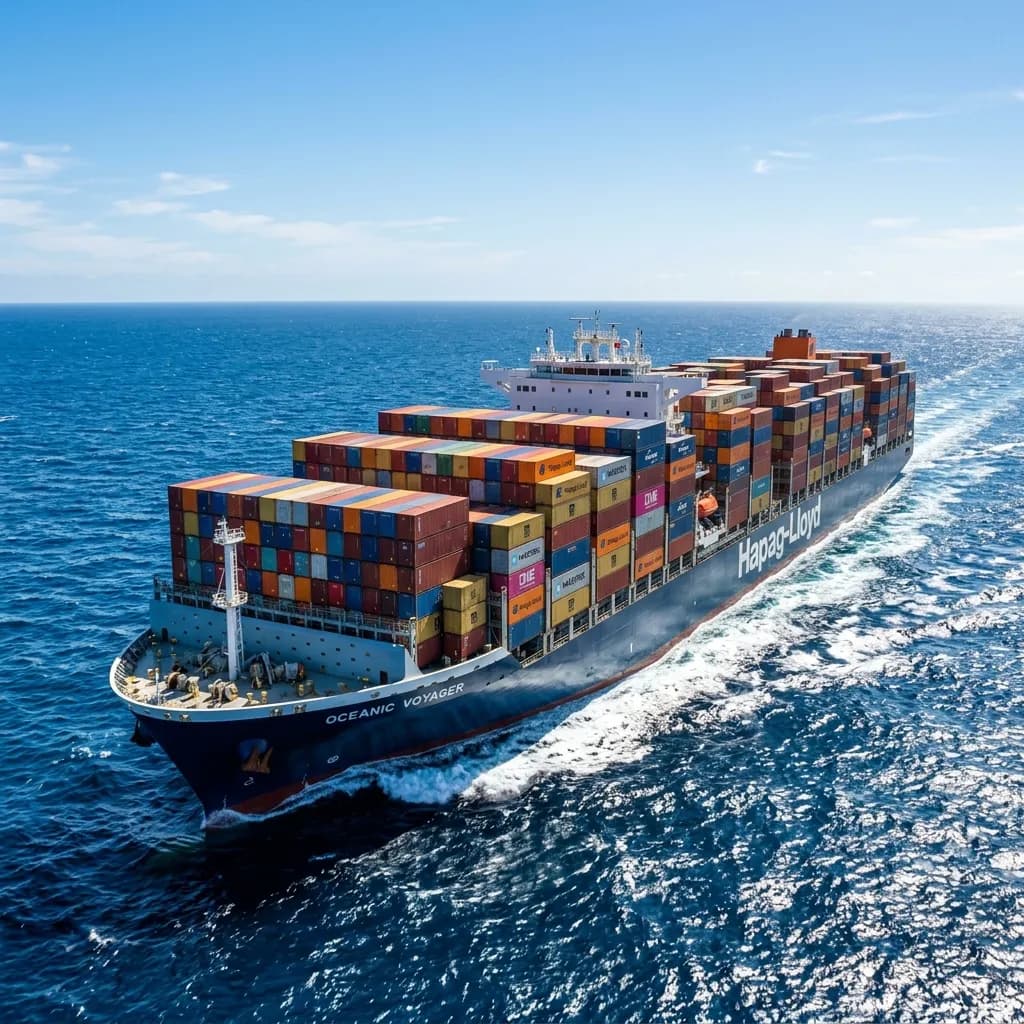
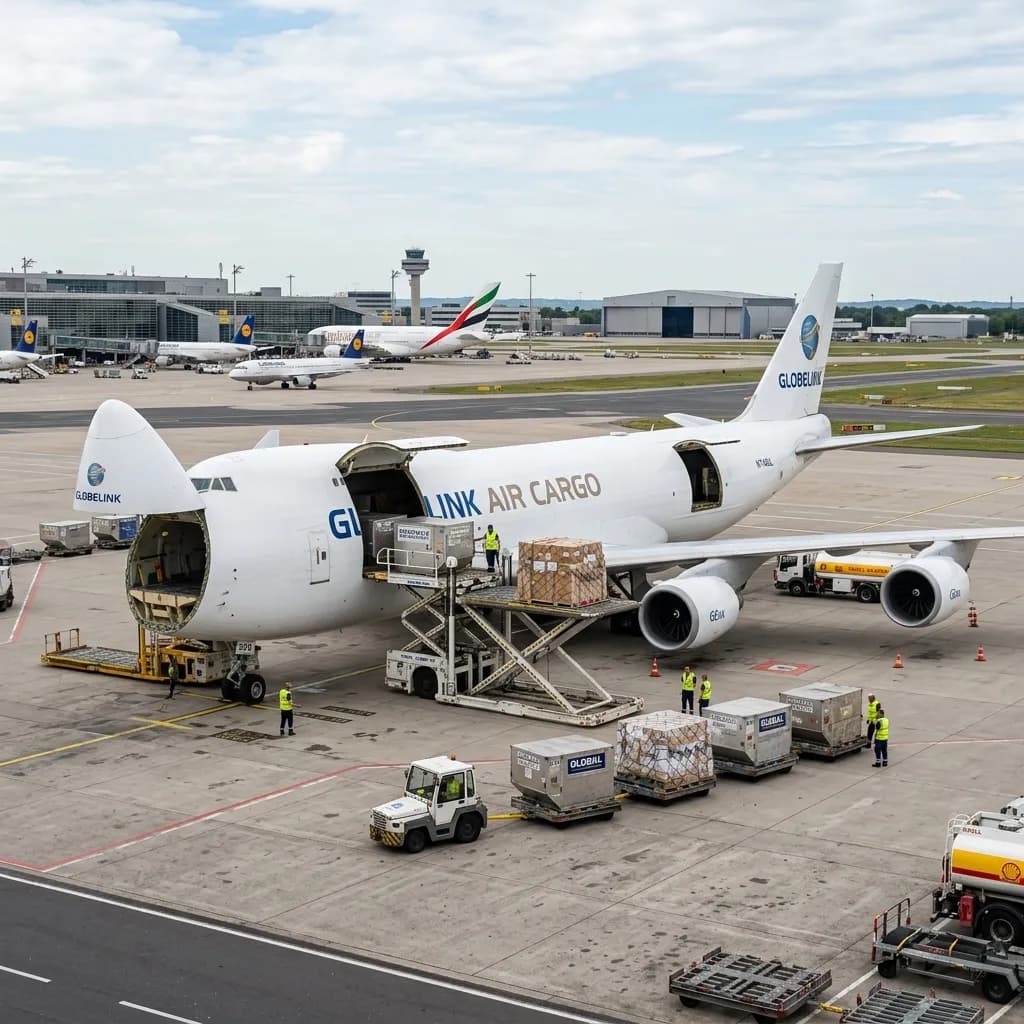
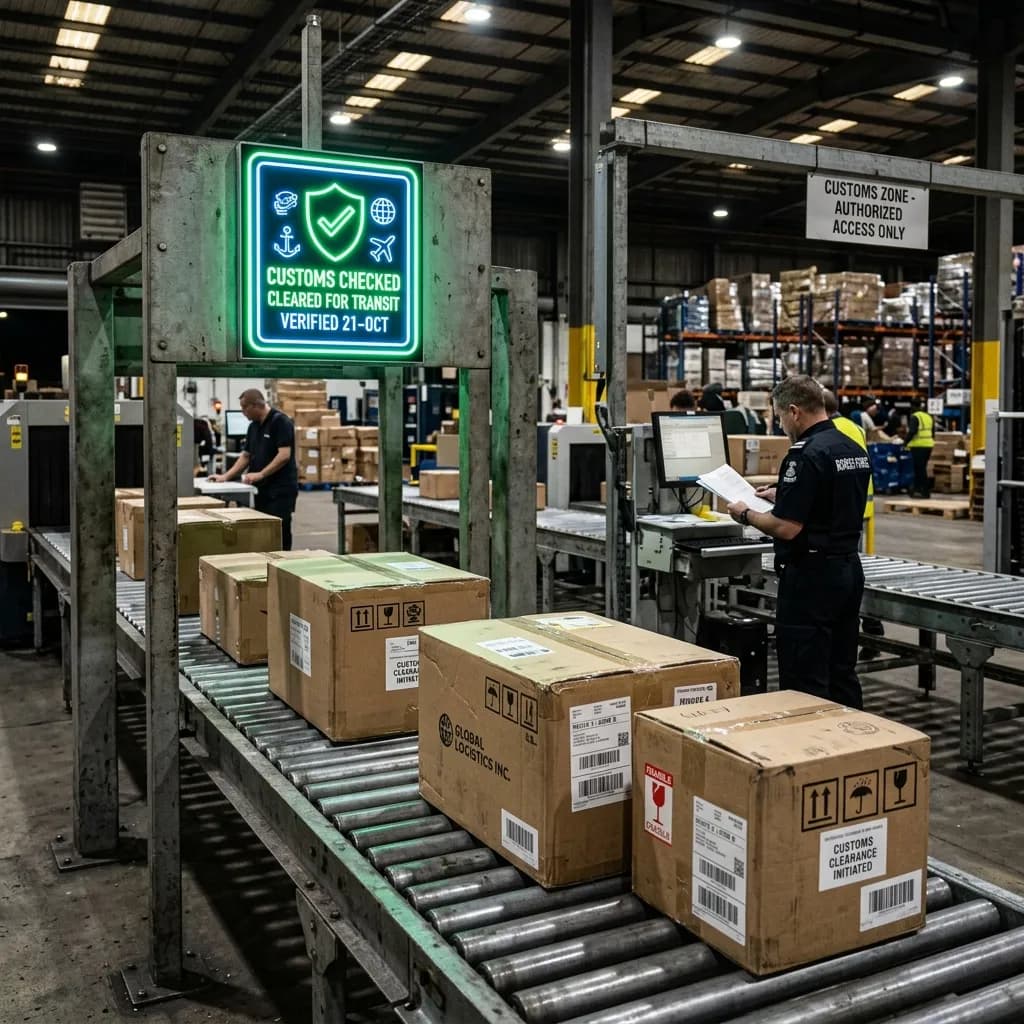
In global trade operations, conducting a thorough trade market search is critical to identifying new business opportunities, assessing market viability, and analyzing the competitive landscape. Sourcing and logistics managers use trade market search to find import-demand regions, optimize supply chain routing, and evaluate foreign entry barriers.
1. Identifying Market Size & Opportunity
Before launching an import or export campaign, you must verify the demand for your commodity. Utilizing trade statistics database search tools allows you to look up historical shipment records and trade volumes between specific origin and destination pairs.
- Analyze Import Volumes: Identify target countries showing stable or growing year-over-year import volumes for your HS classification.
- Evaluate Pricing Trends: Compare average CIF (Cost, Insurance, Freight) and FOB (Free on Board) values to estimate local margins.
- Check Trade Barriers: Look up applicable Basic Customs Duties, anti-dumping surcharges, and regulatory licensing requirements.
2. Essential Trade Research Tools
To perform trade market searches like a professional compliance officer, leverage these official databases:
- WITS (World Integrated Trade Solution): Maintained by the World Bank, WITS provides access to international merchandise trade, tariff, and non-tariff barrier data.
- UN Comtrade: A repository of official international trade statistics containing over 3 billion data records.
- Panjiva / ImportGenius: Private customs manifest databases tracking supplier and importer shipping bills in real-time.
3. Incorporating Competitive Analysis
A comprehensive search analyzes not just the macro numbers, but also competitor activity. Check which manufacturers are supplying your target markets, identify their logistics partners, and evaluate their shipping frequencies. This helps in mapping out cargo consolidations and negotiating better freight rates.
Why Trade Compliance Analysts Trust Our News Center
We monitor international trade announcements, presidential tariff orders, and annual budget duty updates:
- Verified Sources Only: Information sourced directly from trade ministries and federal customs departments.
- Subheading Level Updates: Tracks adjustments mapping to WCO Harmonized System chapters.
- Practical Compliance Context: Explains how policy modifications translate into real commercial cargo costs.
How to Track Tariff Policy News
- Follow Trade Bulletins: Check our news feed for recent developments regarding tariff hikes or budget updates.
- Verify Enforcement Dates: Confirm the exact date new duty rates take effect to plan production and shipping.
- Analyze Financial Impact: Simulate rate updates in our calculators to model future margin changes.
Frequently Asked Trade News Questions
How often do import tariff rates change?
Tariffs can change during annual budget announcements, presidential trade decrees, or bilateral trade treaty adjustments. We update our databases monthly to reflect updates.
What is the difference between ad-valorem and specific duties?
Ad-valorem duties are percentages of the transaction value. Specific duties are fixed monetary charges per physical unit (like weight or count) of the cargo.
How do anti-dumping duties protect local markets?
Anti-dumping duties are steep protective surcharges imposed on imports priced below fair market values, neutralizing foreign subsidization.