

The **Harmonized System (HS)** is the backbone of international trade. Developed by the World Customs Organization (WCO), HS codes act as a universal language for classifying commodities, directly determining how much import duty and tax you pay at the border.
1. The Role of HS Codes in Customs
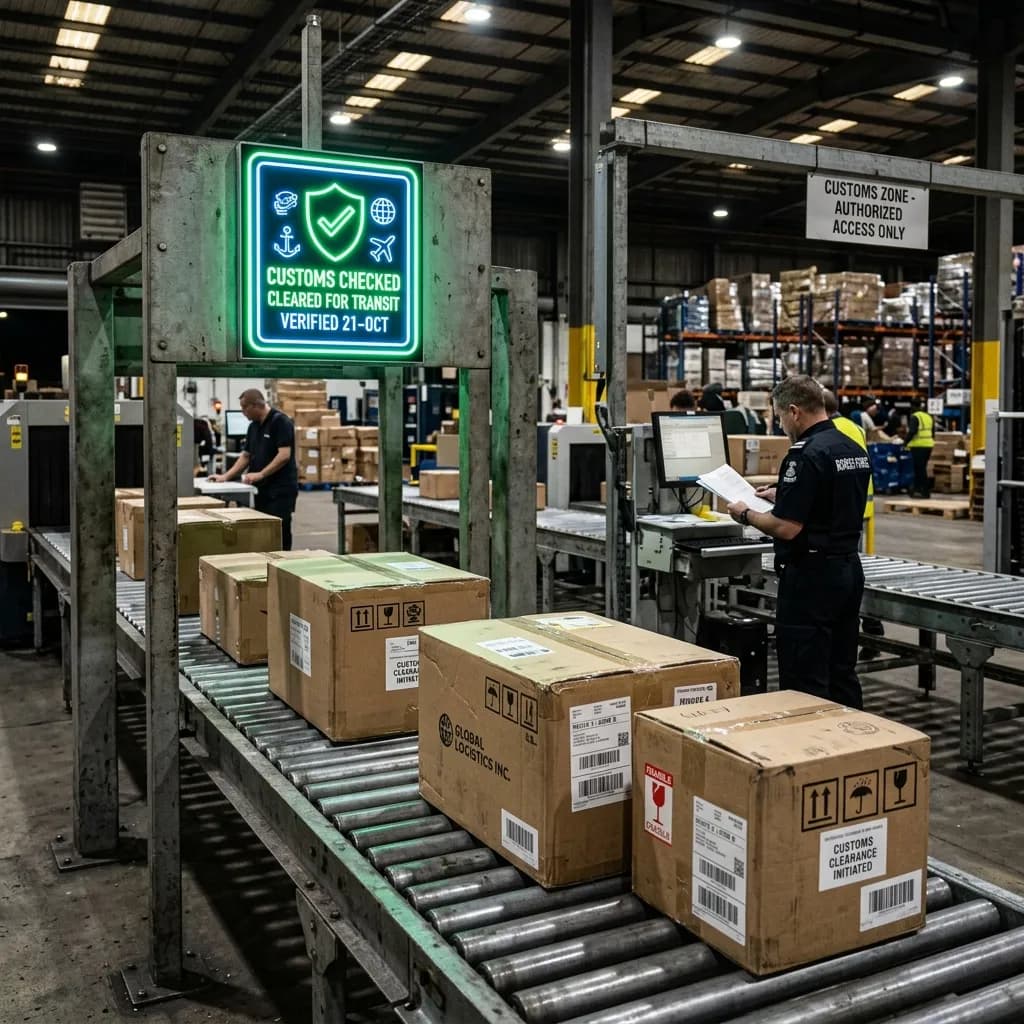
When cargo arrives at the border, customs officers identify the shipment using the declared HS code. This code points to a specific line in the country's national tariff schedule, which dictates:
* The standard import duty rate (ad valorem, specific, or compound).
* Whether the item requires specialized import licenses, health certificates, or inspections.
* If anti-dumping duties or country-specific trade restrictions apply.
2. Classification Structures
An HS code consists of 6 digits, organized into three parts:
* Chapter (First 2 digits): General category (e.g. Chapter 09 is coffee and spices).
* Heading (Digits 3-4): Sub-category (e.g. 09.01 represents coffee).
* Subheading (Digits 5-6): Details specific specifications (e.g. 0901.21 represents roasted, non-decaffeinated coffee).
3. How Country Extensions (HTS/HSN) Build on the HS Base
Individual countries add extra digits to this 6-digit base to assign specific taxes. The United States extends codes to 10 digits (HTSUS), India extends codes to 8 digits (HSN), and the EU extends codes to 10 digits (TARIC).
Lookup Your Product HS Codes
Use our search utility to find the correct HS/HTS code for your shipment and calculate custom duties.
Search Customs CodesWhy Brokers Trust Our HS Code Classification
We navigate the WCO Harmonized System structure to ensure correct tariff mappings and avoid border delays:
- International 6-Digit Base: Aligns with global Harmonized System subheadings used in 180+ countries.
- National Level Extensions: Maps 8-digit HSN codes for India and 10-digit HTSUS codes for the United States.
- Classification Rules: Applies WCO General Rules of Interpretation (GRI) for complex commodities.
How to Search HS Codes
- Identify Raw Material: Determine the primary material composition and function of your commodity.
- Check Chapter Headings: Locate the 2-digit chapter, then expand to the 4-digit heading and 6-digit subheading.
- Match National Suffix: Find your importing country's specific 8-to-10 digit statistical tariff rate.
Frequently Asked HS Code Questions
What is the difference between an HS code and an HTS code?
The HS (Harmonized System) code is the standard 6-digit international classification base. The HTS (Harmonized Tariff Schedule) code is a country-specific extension (typically 8 to 10 digits) used to set local tariff rates.
How do I find my product's HSN code in India?
Use our dedicated HSN search tool to map product names to the Indian CBIC Customs tariff schedule, which uses 8-digit numbers for Basic Customs Duty and IGST slabs.
What are the risks of using an incorrect HS code?
Misclassification can trigger custom audits, seizure of cargo, border clearance holds, retroactive duty bills, and financial penalties.