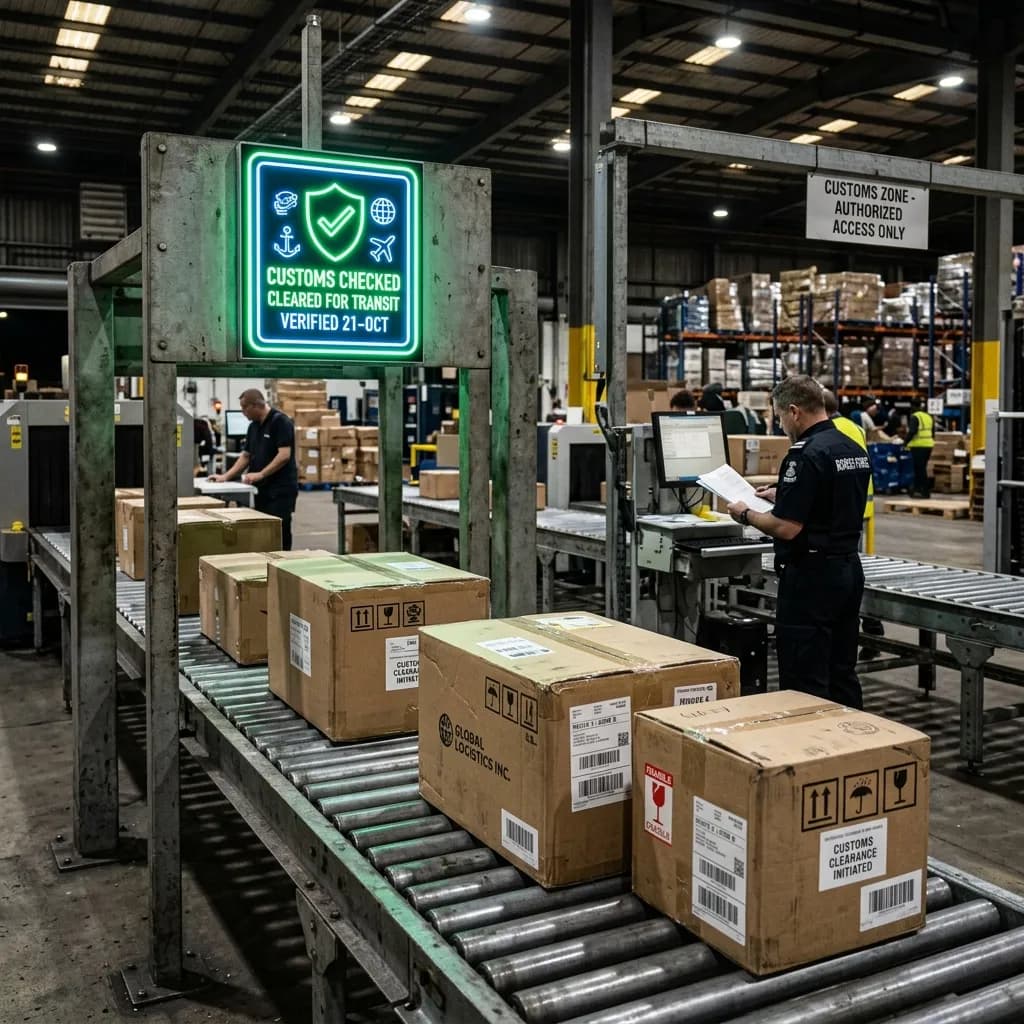
HTS codes (Harmonized Tariff Schedule) are 10-digit numbers used by U.S. Customs and Border Protection (CBP) to classify imported products and determine their specific tariff rates. The first six digits reflect the international Harmonized System (HS) standard, while the final four digits provide national-level statistical subdivisions and duty assessments for the United States.
1. The Structure of a 10-Digit HTSUS Code
An HTS code is hierarchical. Every set of digits specifies details about the product's material composition, design, or intended function:
- Digits 1-2 (Chapter): Broad category of commodities (e.g., Chapter 42 covers leather items).
- Digits 3-4 (Heading): Standard classification under that chapter.
- Digits 5-6 (Subheading): Internationally recognized WCO product classification.
- Digits 7-8 (US Rate Line): Specific tariff lines established by the United States.
- Digits 9-10 (Statistical Suffix): Provides data collection checkpoints for the US Census Bureau.
2. HTS Codes vs. HS Codes
While closely related, they have distinct scopes. The HS Code (Harmonized System) is the standardized 6-digit international core code used in over 180 countries to identify trade commodities. The HTSUS Code (Harmonized Tariff Schedule of the US) is the specific 10-digit code used strictly for imports entering the United States. You cannot use a European, Indian, or Chinese national suffix for US Customs clearance.
3. How to Find Your Product's HTSUS Code
To determine the correct code, search for primary product keywords or materials in our interactive HS Code Finder above. Select the matching subheadings and compare them against active USITC tariff schedules. If you are importing specialized machinery or complex chemicals, review the USITC's General Rules of Interpretation (GRI) or consult a licensed customs broker to prevent audits and classification disputes.
4. Frequently Asked Questions
What is an HTS code?
An HTS code (Harmonized Tariff Schedule) is a 10-digit commodity classification code used strictly for imports entering the United States to calculate customs duties.
Who assigns HTS codes in the United States?
The United States International Trade Commission (USITC) publishes and maintains the official Harmonized Tariff Schedule of the United States (HTSUS).
How many digits is a standard HTSUS code?
Standard HTSUS codes contain exactly 10 digits. The first 6 are international HS digits, digits 7-8 are the US tariff rate lines, and digits 9-10 are statistical suffixes.
What happens if I use the wrong HTS code?
Using an incorrect HTSUS code can trigger customs entry rejections, clearing delays, retroactive duty assessments, audits, and monetary penalties.
Why Brokers Trust Our HS Code Classification
We navigate the WCO Harmonized System structure to ensure correct tariff mappings and avoid border delays:
- International 6-Digit Base: Aligns with global Harmonized System subheadings used in 180+ countries.
- National Level Extensions: Maps 8-digit HSN codes for India and 10-digit HTSUS codes for the United States.
- Classification Rules: Applies WCO General Rules of Interpretation (GRI) for complex commodities.
How to Search HS Codes
- Identify Raw Material: Determine the primary material composition and function of your commodity.
- Check Chapter Headings: Locate the 2-digit chapter, then expand to the 4-digit heading and 6-digit subheading.
- Match National Suffix: Find your importing country's specific 8-to-10 digit statistical tariff rate.
Frequently Asked HS Code Questions
What is the difference between an HS code and an HTS code?
The HS (Harmonized System) code is the standard 6-digit international classification base. The HTS (Harmonized Tariff Schedule) code is a country-specific extension (typically 8 to 10 digits) used to set local tariff rates.
How do I find my product's HSN code in India?
Use our dedicated HSN search tool to map product names to the Indian CBIC Customs tariff schedule, which uses 8-digit numbers for Basic Customs Duty and IGST slabs.
What are the risks of using an incorrect HS code?
Misclassification can trigger custom audits, seizure of cargo, border clearance holds, retroactive duty bills, and financial penalties.